

As the ground thaws in the spring and the planting window is around the corner, every hour counts. You’re ready to get your long-sitting tractor in the field but as it fires up, you notice it is blowing clouds of black smoke. This is not only a sign of a poorly running engine, but a direct threat to your planting schedule, thus costing you arms and legs. In this article, we’ll identify the common causes of diesel engine black smoke and provide practical fixes to ensure your tractor runs strong for the demanding farming season ahead.
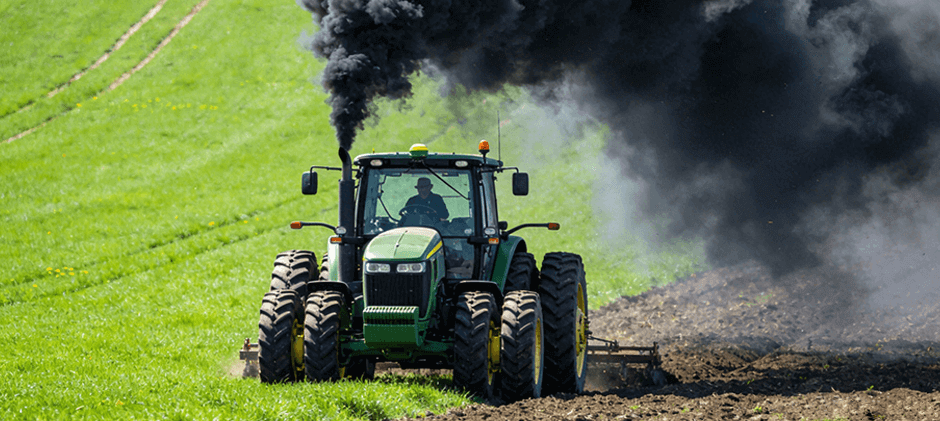
What Is Diesel Engine Black Smoke
Black smoke from tractor diesel engines is a common issue. It is often a sign of incomplete combustion and occurs when the air-fuel mixture isn’t balanced properly. An engine choking on clouds of black smoke consumes more fuel, loses efficiency and even suffers from deadly wear on critical components over time. Understanding the impacts and causes behind black smoke is crucial to maintaining your engine and extending its service life.
Impacts of Diesel Black Smoke
Black smoke can do harm to your engine and cost you a lot. If you fail to notice the warning it gives, you’re going to suffer from serious problems, which can disrupt your entire planting season.
Reduced Engine Life
Black smoke and engine problems are closely linked. Black smoke is really bad for your engine. It gets into the engine oil, making it thick and gritty. This can cause premature wear on important engine parts like piston rings, cylinder liners and bearings. As a result, your engine may not last long as it should. You might have to rebuild or even replace your engine. That means costly breakdowns and downtime, especially during the demanding tillage season. If your tractor has engine problems and needs a complete rebuild, find reliable diesel engine parts here.
Poor Fuel Economy
Black smoke is unburned fuel. When your engine is blowing black soot, that means you’re not getting all the power you paid for from every gallon of diesel. This insufficient combustion forces you to burn more fuel to get the same amount of work done, driving up your running costs day after day.
5 Major Causes of Black Smoke
Diesel engine black smoke comes from a few primary reasons. Faulty fuel injectors, dirty air filters, a malfunctioning turbocharger and a clogged EGR Valve are to blame for black smoke issues. Honestly, they almost cause black smoke by disrupting the balance of the fuel-to-air ratio.
Over-Fueling & Faulty Fuel Injectors
An excessive fuel supply is the major culprit for diesel black smoke. Faulty fuel injectors and malfunctioning injector pumps can both deliver too much fuel to the combustion chamber and cause black smoke from a diesel engine. If the injectors fail to open and close properly, they may supply too much diesel, thus preventing normal combustion and allowing the unburned particles to escape in the form of black smoke.
Insufficient Air Supply & Dirty Air Filter
A poor air supply is also to blame. This usually comes down to a contaminated or clogged air filter. If your air filters get dirty or clogged, they will block air from getting into the engine. If there isn’t enough air, the fuel can’t burn properly, which can lead to black smoke.
Imbalanced Fuel-Air Ratio & Failing Turbocharger
A turbocharger is a critical part that makes sure the engine gets the air it needs to burn fuel. When it fails, the engine starves for air, but still gets plenty of fuel. This means the fuel does not burn well and it makes a lot of soot. The soot comes out as black smoke and the engine loses a lot of power. Sometimes the engine makes smoke because of a problem with the turbocharger. The turbocharger helps the engine burn fuel completely. If it is not working right, the engine will not run well. The fuel will not burn properly. It will make black smoke.
Excess Carbon Buildup & Clogged EGR Valve
Older tractors can produce black smoke if they are not properly maintained. This happens because carbon builds up in the combustion chamber of the diesel engine over time. The carbon buildup stops the fuel from burning completely. When this happens, your tractor diesel will blow black smoke.
The EGR valve is another part of the engine that can cause problems. It helps reduce the things coming out of the engine. Black smoke is one of the most common signs of a bad EGR valve. If the EGR valve gets stuck, it can cause the engine to make smoke. This is also because the engine is not getting enough air. This means the fuel can not burn well.
Excessive Oil Consumption & Engine Wear
Too much oil in the engine also introduces black smoke. Worn engine parts and stuck piston rings can lead to oil leaks into the engine. The oil burns with fuel and then causes black smoke.
Tips to Fix Diesel Black Smoke Issues
Black smoke happens when there’s too much fuel but restricted air in the combustion chamber of your diesel engine. This can lead to reduced fuel efficiency and increased diesel particulate emissions from your diesel engine. When you notice your tractors, harvesters or other off-road equipment giving off black smoke, a few simple steps can greatly reduce diesel black smoke and prevent it from occurring again.
Check & Replace Air Filters Regularly
When you’re working in a field or at a construction site, air filters get clogged easily because of the dust, debris and contaminants. A clogged air filter can make your engine’s combustion chamber short of air and then lead to a lot of black smoke. Choosing high-quality air filters can keep your engine working well for a long time and your air filter will last a long time, too.
Maintain Engine Fuel System
Worn-out or clogged fuel injectors can lead to poor fuel atomization or over-fuel injection. This is another reason behind the black smoke. You’d better clean fuel injectors on a regular basis and replace them when necessary.
Perform Regular Turbocharger Inspection
Modern engine relies too much on the turbocharger to increase air intake. Once it fails or decreases in efficiency, the intake would suffer a sharp drop. However, the fuel injection system doesn’t adjust correspondingly, causing too much oil and restricted air. You will then notice a great amount of black smoke and a great loss of power. When that happens, you should check your turbocharger immediately and replace it if you confirm it has failed.
Using High-quality Engine Oil & Fuel
Choosing the engine oil and fuel is important. Good engine oil with additives can help reduce dirt and carbon buildup inside the engine. High-quality fuel burns efficiently while producing less soot. If you don’t have access to top-tier fuel, using a fuel additive with PEA can help clean carbon deposits from injectors and the combustion chamber. This helps to restore your engine performance.
Final Words
Black smoke from a diesel engine is commonplace. However, it can cause unexpected issues that cost you a lot, especially during the demanding tilling season. Before it hurts, you can follow the above tips to reduce black smoke and prevent it from happening again. FridayParts offers a wide selection of tractor parts, including fuel injectors, fuel pumps, air filters, turbochargers, and EGR valves. Browse our catalog for more parts you need.
