

Clutch replacement cost vary widely—around $3,000 for small tractors, but over $25,000 for large bulldozers or dump trucks. The final total mainly depends on your machine model, the type of clutch, and the labor involved. This guide breaks down all the cost factors and gives you tips to make your clutch last longer.
Clutch Replacement Cost 2026
The total cost mostly comes down to two things: the parts and the labor to install them. On heavy machinery, labor is usually the biggest part of the bill.
How Much Does a Clutch Cost?
| Clutch Type | Estimated Part Cost Range (2026) | Common Applications |
|---|---|---|
| Dry Single/Dual Plate Clutch | $500 – $2,500 | Farm tractors, manual transmission wheel loaders, telehandlers, older crawlers. |
| Wet Clutch Pack (Powershift) | $1,500 – $8,000+ | Powershift bulldozers, large wheel loaders, articulated haul trucks, graders. |
| Steering Clutch | $800 – $3,000 (per side) | Older bulldozers and track loaders that use clutch/brake steering systems. |
| Power Take-Off (PTO) Clutch | $400 – $1,500 | Farm tractors, vocational trucks, and equipment with powered attachments. |
Disclaimer: These are estimated costs for parts only. Prices can vary based on the specific machine make and model, and whether you choose OEM or aftermarket parts.
Clutch Replacement Labor Cost
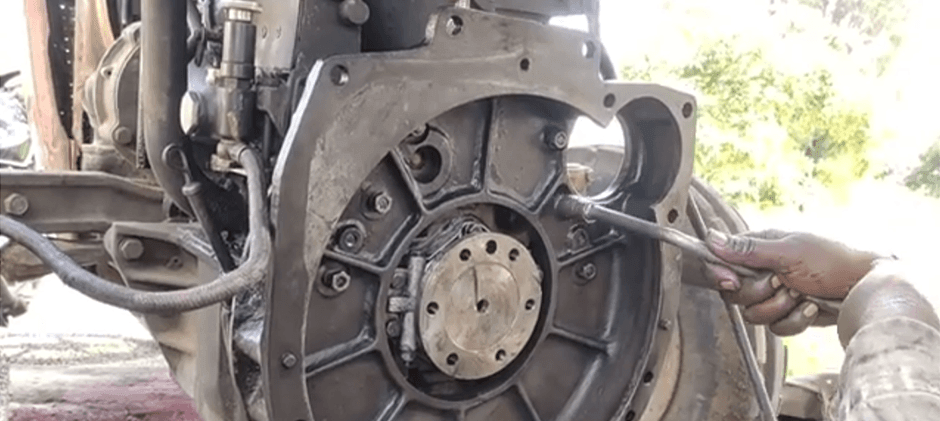
Clutch repair on heavy equipment is a big job. Just the labor alone can take 10 to 40 hours, sometimes even more. Why is it so complicated? There are a few main reasons:
- A lot of disassembly: Technicians often need to remove the cab, disconnect hydraulic lines and electrical wiring, and drain fluids. There are many steps involved, and it takes time.
- The machine has to be split: On many tractors and dozers, the engine and transmission have to be separated from the frame. This “splitting” is necessary to access the clutch.
- Heavy parts need special equipment: Parts like the transmission and flywheel are very heavy—sometimes hundreds or even thousands of pounds—so cranes or special jacks are required to handle them safely.
Because of all this, labor is usually charged at about $100–$200 per hour. Labor alone can easily add up to $2,000–$8,000 or more. One more important thing: downtime costs. The repair bill is only part of the expense. The bigger loss often comes from downtime. When a machine is out of service, it can cost thousands of dollars in lost productivity each day.
What Influences Clutch Repair Costs?
The final repair cost depends on a few things. Knowing these can help explain why quotes can vary a lot.
Machine Type and Size
A small tractor usually has a smaller, lighter clutch that’s easier to work on. A large dozer, on the other hand, often has a more complex wet clutch system. The parts are more expensive and take more time to remove and install, so the cost is higher.
How Complex the Clutch System Is
Simple farm tractors usually use a basic dry clutch, which is easier to repair. But machines with power-shift transmissions use wet clutch packs, which are more complex. They take longer to service, so labor costs go up.
How Bad Is the Damage
If the issue is caught early, like slight slipping, you may only need to replace the clutch disc and pressure plate. But if the machine keeps running with a bad clutch, it can damage other parts. That can lead to more repairs and a higher total cost.
Hidden Costs to Budget For
Clutch labor is expensive, so when the machine is already torn down, it’s common to replace other wear parts at the same time. This is often called a “while you’re in there” list. It’s a good idea to budget for these parts:
- Flywheel resurfacing or replacement: The flywheel has to be smooth and clean for the new clutch to grip right. Sometimes we can resurface it, but on heavy machinery, we usually just replace it. This costs about $500 to $2,000 or more.
- Rear main seal: This seal prevents engine oil from leaking out the back of the engine. Since it’s behind the flywheel, you have to remove everything to get to it—so it makes sense to replace it during a clutch job.
- Pilot bearing / bushing: It’s a small part, but very important. It supports the end of the transmission input shaft. If it fails, it can damage the new clutch or even the input shaft.
- Transmission input shaft seal: Similar to the rear main seal, this helps prevent oil leaks at the front of the transmission.
- Hydraulic oil and filters: On machines with wet clutches or hydraulic systems, the fluid usually needs to be drained and replaced. This can add a noticeable amount to the total cost.
How to Save Money on Clutch Repairs?
Get quotes from more than one shop. Don’t just go to a dealer. Independent heavy equipment mechanics often charge less and have lower labor rates. Try to get at least 2–3 detailed quotes and compare them carefully. Make sure each quote includes the “while you’re in there” parts, so you’re comparing fairly.
Use good-quality aftermarket parts to save money. OEM parts are usually expensive, but reliable aftermarket parts can offer the same performance at a lower price. We focus on these kinds of parts, with a wide range of models and fast shipping, so you can get durable clutch components without overspending and reduce downtime.
Replace the full clutch kit, not just one part. Don’t try to save a small amount by only replacing the clutch disc. It’s better to replace the full kit (disc, pressure plate, release bearing). Everything will be new, better matched, and less likely to fail again, so you avoid paying labor twice.
Take care of regular maintenance. The cheapest repair is the one you don’t need. Use the machine properly and fix small issues early. That helps the clutch last longer and pushes back the need for a costly replacement.
When Should You Replace Your Clutch?
Your machine usually gives warning signs before it breaks down completely. Watch for these:
- Clutch slipping: You’ll notice the engine RPM rises under load, but the machine doesn’t go faster, like the engine is revving but power isn’t reaching the ground.
- Hard shifting or grinding noises: If it’s hard to shift gears or you hear grinding while shifting, the clutch isn’t fully disengaging.
- Unusual noises: Squealing or rumbling sounds when you press or release the clutch often mean the release bearing or pilot bearing is failing.
- Shaking or jerking: Rough shaking or jerking when engaging the clutch, especially when starting, usually means the clutch disc or flywheel is oily or warped from overheating.
- Burning smell: A strong burnt smell like burning carpet is a clear sign the clutch is overheating, slipping badly, and already damaged.
Extending the Life of Your New Clutch
After installing a new clutch, make sure the operator is trained on how to use it properly. Good habits can help the clutch last thousands of hours longer.
- Don’t ride the clutch: Don’t keep your foot lightly on the clutch pedal. Even slight pressure can keep the release bearing in contact with the pressure plate and cause faster wear.
- Use the right gear for the load: Don’t start in too high a gear, and don’t run the engine at low RPM under heavy load (lugging). This makes the clutch slip more and build up heat, which can damage it.
- Engage the clutch smoothly: Don’t “pop” the clutch. Engage it smoothly and firmly. On slopes, don’t hold the machine with the clutch—use the brakes instead.
- Keep up with maintenance: For wet clutch systems, change the hydraulic oil and filters regularly. Dirty oil can quickly damage the clutch packs, and it’s an easy but costly problem to avoid.
Wrapping Up
Don’t wait too long to replace a bad clutch. FridayParts.com has a huge selection of replacement clutch parts you can easily order online. To get your new clutch, just visit our site. Enter your equipment details to narrow down the results, and choose the aftermarket clutch that fits your machine.
