

A snowplow should make winter work faster and safer. For truck owners(with a few notes for UTV users), the right choice also protects your front axle, suspension, steering, and transmission. This guide helps you pick a plow that fits your truck, matches your snow, and is easy to maintain.
How Do I Match a Plow to My Vehicle?
Match the plow to what your truck can carry and push.
A plow is not just “extra weight.” It sits far in front of the bumper, so it acts like a lever. That can overload the front axle and make the truck handle poorly.
Before you shop, know these four things:
- How much weight can your front axle handle
- How heavy the plow system is (blade + frame + mount + hydraulics)
- How wide should the blade be for your truck
- How you will lift and angle the blade (hydraulic vs. other)
Simple width rule for trucks:
When the blade is angled, it should still cover your tire tracks. If it’s too narrow, you will leave “ridges” of snow behind your front tires.
What are the Key Vehicle Specs to Check?
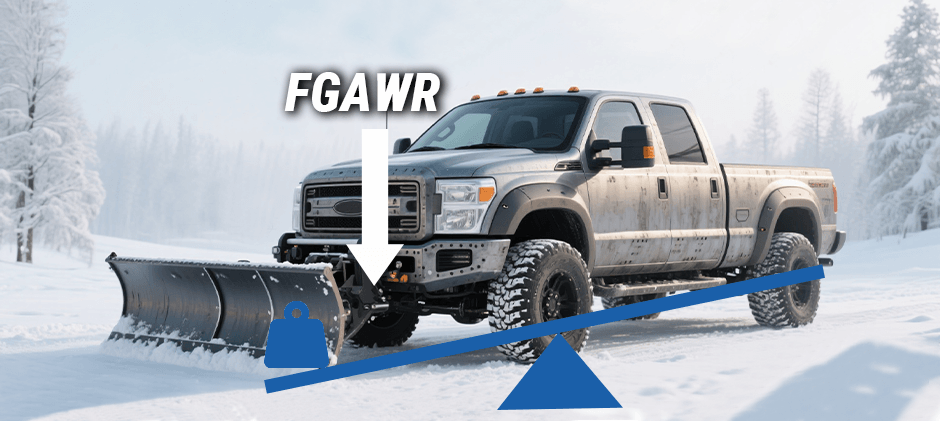
Check the weight ratings first. For many trucks, you can find them on the Federal Certification/Tire and Loading Information label (often on the driver-side door jamb).
- FGAWR (Front Gross Axle Weight Rating): The maximum weight your front axle can carry.
- GVWR (Gross Vehicle Weight Rating): Max total weight for the whole truck (people + cargo + plow + everything).
A simple way to think about it (truck-friendly)
1. Add the weight of:
- driver + passengers
- any gear in the cab
- the plow system (blade + mount + hydraulics)
2. Remember: most plow weight sits on the front.
If you are close to the limit, choose a lighter plow or a smaller blade.
Also check these (often forgotten):
- Front suspension type (stock vs. upgraded; worn parts matter)
- Tire load rating (weak tires can make steering and braking worse)
- Battery and alternator health (plow hydraulics + lights draw power)
What’s the Difference for Trucks vs. UTVs?
Truck plows and UTV plows are built very differently.
- Heavy-Duty Trucks (e.g., Ford F-250, RAM 2500): Can handle larger blades and full hydraulic systems. Good for long routes, deep snow, and commercial work.
- UTVs (e.g., Polaris Ranger, Can-Am Defender): Need lightweight plows, often lifted by a winch. Best for tight paths and smaller areas.
Truck owners: don’t skip “plow prep.”
Many trucks have a “snow plow prep package.” It may include better cooling, wiring, and charging. If your truck doesn’t have it, you can still plow—just be smarter with blade size and maintenance.
What Kind of Snow Will You Plow?
Snow type decides how hard the job is.
- Light, dry snow: easy to push, even with a wider blade.
- Wet, heavy snow: much harder to push. A too-wide blade can stall the truck or stress the transmission.
- Packed drifts: need the right blade shape and enough traction.
Surface matters too:
- Paved driveways/parking lots: you can scrape cleaner.
- Gravel roads: you must avoid digging in (skid shoes help).
3 Questions to Define Your Plowing Needs
1. What is the surface area and size of the area?
Driveway, gravel lane, farm yard, parking lot, or private road?
Bigger areas usually benefit from wider blades—if the truck can handle it.
2. What kind of snow is typical?
If your snow is heavy and wet, you may want:
- a slightly narrower blade, or
- a design that carries snow better (like a V-plow in scoop mode)
3. What is your primary goal?
- Push snow to the side (basic clearing)
- Break through deep drifts (needs more bite)
- Carry/stack snow (needs control and good blade shape)
What are the Main Types of Snow Plows?
Most truck plows fall into these types:
- Straight-blade: simple, common, reliable.
- V-plow: more flexible; can break drifts and carry snow better.
- Expandable-wing: can be very fast for large lots, but usually costs more and adds complexity.
For many truck owners, the real choice is straight-blade vs. V-plow.
Straight-Blade vs. V-Plow: Which is for You?
Straight-Blade Plows:
Great for normal clearing. Fewer moving parts. Often lower cost. Easy to learn.
V-Plows:
More settings for different jobs:
- V mode: cuts into drifts and deep snow
- Scoop mode: holds snow and helps with stacking
- Straight mode: normal plowing
Quick picking guide (easy version)
- Mostly driveways and small lots → Straight-blade
- Drifts, windblown snow, heavy snow, long lanes → V-plow (if your truck can carry it)
Why Does Blade Material Matter?
Material changes:
- Weight (front axle load)
- Durability (hits, curbs, hidden rocks)
- How snow slides (sticky snow matters)
Truck owners should also think about rust and salt. Road salt can destroy hardware, pins, springs, and wiring over time.
A Quick Guide: Steel vs. Polyethylene
| Material | Pros | Cons | Best For |
|---|---|---|---|
| Steel | Strong, stiff, scrapes well | Heavier, it can rust | Heavy use, rough scraping, commercial work |
| Polyethylene | Lighter, slick surface, no rust | Not as stiff, can cost more | Wet/sticky snow, lighter front-end load |
Simple advice for trucks:
If you’re close to your front axle limit, a poly blade can help reduce weight.
What Additional Features Should I Consider?
Some features make plowing safer and prevent damage.
1) Trip-edge or full-trip (very important)
This helps the blade “kick back” when it hits something hidden (curb, frozen ridge, rock). It protects the plow and your truck.
“A trip-edge design isn’t a luxury; it’s a critical feature that protects your plow, your vehicle, and you from hidden obstacles.”
2) Blade width (don’t guess)
- Wider clears faster.
- A too-wide load can overload the truck in heavy snow.
- Make sure the blade still covers your tire tracks when angled.
3) Mount system (fitment matters)
Truck plows usually need a vehicle-specific mount. A good mount:
- spreads the load into the frame correctly
- keeps the blade at the right height
- It is easier to remove in the off-season
4) Controls and hydraulics
- Reliable in-cab control is key during storms.
- Check how the system lifts/angles and how easy it is to service.
5) Lighting and visibility
Plow lights help a lot at night and in blowing snow. Also consider:
- reflectors/markers on blade ends
- a clean windshield, and good wipers (small thing, big safety)
6) Ballast (huge for truck handling)
A plow adds weight to the front. Ballast in the bed can:
- improve traction
- reduce front-end overload feel
- help breaking the balance
Follow your plow maker’s ballast guidance (location matters, not just weight).
7) Protection for gravel
If you plow gravel, consider:
- skid shoes
- a cutting-edge setup that won’t dig in easily
Why is Service and Support Crucial?
Plowing is hard work. Parts wear out. A “great plow” can still fail if you can’t get parts fast.
Common wear items:
- cutting edge
- skid shoes
- hoses and fittings (hydraulics)
- springs, pins, pivot points
- electrical connectors (salt and water cause corrosion)
Practical tip for truck owners:
Before winter, do a quick pre-season check:
- Tighten hardware
- Check hoses for cracks
- Clean and grease moving points
- Inspect wiring plugs for green corrosion
- Keep extra pins/fasteners if your system uses them
Final Thoughts
To sum up, selecting the right snow plow is a balance of your machine’s capability, your specific plowing needs, and your budget. By following this guide, you can make an informed decision that will serve you well for many winters.
When wear and tear inevitably happens, keeping your equipment in peak condition is essential. FridayParts has you covered with a comprehensive selection of high-quality snow plow parts to minimize downtime and keep you moving snow, no matter what the weather throws at you.
