

Most of the time, there are early warning signs before a hydraulic cylinder fails or cannot hold a load anymore. If you notice weird noises, overheating, leaks, jerky movements, slower speeds, or contaminated fluid, check and fix it as soon as you can. Don’t wait for the problem get worse. A lot of the time, hydraulic cylinders can be repaired. But hydraulic cylinder repair vs replacement depends on how bad the damage really is.
Assessing Hydraulic Cylinder Damage
Before making a decision, figure out the type and severity of the fault. Phenomena such as insufficient output and the cylinder slowly retracting can only indicate a problem, but to understand the root cause, you need to check if a hydraulic cylinder is leaking internally. Once you’ve diagnosed the specific issue, you can begin a visual inspection. If necessary, check the equipment and after removing it. Focus on whether there is any obvious external damage. Like, check if there’s any dent in the cylinder barrel.
And more importantly, take a close look at the piston rod surface—see if there are scratches, pits, or if the chrome layer is peeling off. Piston rod damage is super common on excavators, usually from getting hit by rocks or random debris. You can only tell exactly what’s wrong after you take the cylinder apart. Focus on checking these parts:
- Seals: whether they are worn, aged or cracked. This is the most common problem and can generally be solved by replacing the seal.
- Piston: Check the piston surface for scratches or obvious wear. Damaged pistons can easily cause internal leaks.
- Cylinder cylinder inner wall: Put on gloves and feel along the inner wall with your hands. If you can feel deeper scratches or grooves, it means that the wear is quite serious and simply changing the seal is usually not effective.
- Rod, Gland, and Bushing: Verify that the piston rod is straight; a bent piston rod will quickly damage the new seal and bushing. Also check the gland and bushing for obvious wear or deformation.
If the issue is just worn seals or minor bushing damage, the cylinder can usually be repaired. But a bent piston rod or deep scratches inside the barrel will push up repair difficulty and cost.
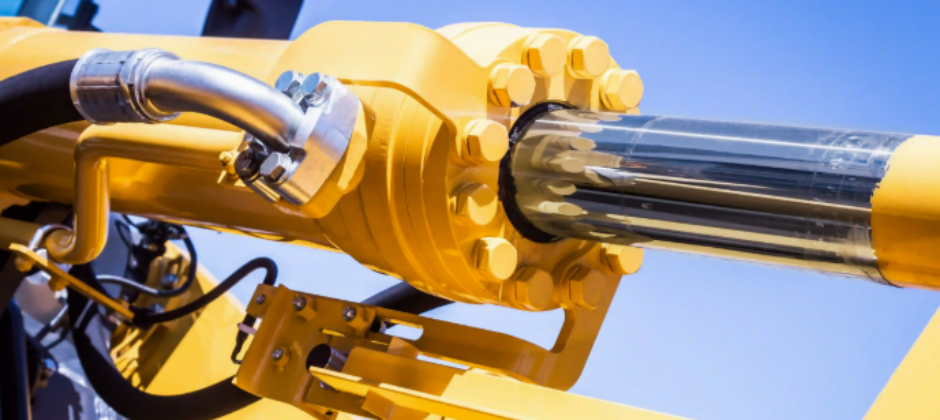
Looking for Oil Leaks in Your Hydraulic Cylinder
Oil leaks are the most obvious sign that something’s wrong with your hydraulic cylinder. And where the leak is coming from tells you a ton about whether you can fix it or need to replace it. Leaks basically fall into two types: external and internal.
External Leak
External leaks are the ones you can actually see. You’ll spot an oily film on the piston rod, drops dripping from the cylinder gland, or damp spots around the hose connections. Most of the time, an external leak starts with a bad rod seal inside the head gland. This moving seal wears out over time, or it can get damaged if the piston rod has scratches on it.
External leaks are almost always fixable. As long as the piston rod surface is smooth and the cylinder barrel is still in one piece, a tech can take the cylinder apart and slap on a new seal kit pretty fast—and cheap. That fixes the problem without having to shell out for a brand-new cylinder assembly.
Internal Leak
Internal leaks (also called piston bypass) are completely invisible from the outside. You won’t spot a single drop of oil—but you’ll definitely notice the machine acting up. Like the boom won’t stay lifted, or the bucket slowly drifts back on its own. These leaks almost always happen when the piston seals go bad. High-pressure oil seeps from one side of the piston to the other—right inside the cylinder barrel.
Most of the time, swapping in a new set of piston seals fixes the problem. That’s why repair is usually the first choice. But you have to check things thoroughly here. If an internal leak is left unaddressed for too long, it’ll often cause other damage. The high-speed oil rushing back and forth across the piston will wear down the metal surfaces and even scratch the inside of the cylinder barrel. Once the barrel’s inner wall is damaged, just replacing the seals is only a temporary fix—the cylinder will act up again in no time. In that case, replacing the whole hydraulic cylinder is the safer bet.
An external leak means a seal has failed. An internal leak doesn’t just mean a seal has failed—it also warns you to check the cylinder barrel’s inner wall and the piston itself for damage.
When Repair is the Better Option
Fixing a hydraulic cylinder is usually the most sensible and cheapest option. It gets your machine back up and running without shelling out for a brand-new part. We often recommend a repair if all these things check out:
- Only seals and bushings are damaged: If the main parts, the cylinder barrel and piston rod, are still in good shape, swapping out the seals and wear bands is just a routine job. A good aftermarket seal kit costs way less than a new cylinder, and it’ll get your cylinder working like new again.
- Cylinder barrel and rod are structurally solid: A full inspection shows no deep scratches inside the barrel, no cracked welds, and no bends or bad chrome damage on the rod. You can sometimes polish out tiny surface marks on the rod—but if you can catch your fingernail on a flaw, that’s a red flag. If these key parts are healthy, repairing is a smart move.
- Minimizing downtime: Sometimes fixing a cylinder is faster than waiting for a new one to be ordered and shipped—especially for less common machine models. If you have a trusted repair shop or an in-house tech, replacing the seals can often be done in a few hours. That way, your excavator spends way less time sitting idle.
- Cost: If a pro repair quote (parts and labor included) is way cheaper than a new cylinder, repair is the obvious money-saving pick. This is even more true for big, pricey cylinders—buying a new one of those can cost a fortune.
When It’s Time to Replace Your Cylinder
In cases like these, replacing the whole hydraulic cylinder isn’t just a better option—it’s the only smart one.
Serious Structural Damage
If the cylinder barrel is cracked, dented, or bulging, or the piston rod is bent or deeply gouged, the cylinder’s structural strength is shot. A bent rod will ruin new seals right away—and keep doing it. A damaged barrel is a major safety risk, too. It could burst under pressure. Don’t even try to fix damage this bad; replace the cylinder right away.
Bad Internal Scratches
If the inside of the cylinder bore is covered in deep scratches, a new piston seal won’t be able to seal properly. You can sometimes fix light scratches by honing the barrel, but that takes a lot of work and special tools. For most standard excavator cylinders, the cost of honing plus a seal replacement is almost as much as a brand-new aftermarket cylinder. So replacing it is the more practical and reliable call.
Repairing It Just Isn’t Worth the Money
Sometimes it’s not one big problem, it’s a bunch of small ones piling up. If the rod has light scratches, the piston is worn, the gland fails, and the bushings are bad, the total cost for all the parts plus all the labor will easily cost more than a new cylinder. At that point, repairing it is a waste of cash—replacing it is the smarter financial move.
Parts are Impossible to Find (Old Machines)
For older equipment, tracking down the right seal kit or replacement parts can be a huge hassle and take forever. If the parts are discontinued, putting in a brand-new, easy-to-find modern cylinder is usually the only option. This can even be a win—you might get a cylinder with better seals and stronger materials too.
Key Factors to Consider: Repair vs. Replacement
The final call boils down to checking a few key things carefully. As the equipment owner, you need to weigh these points to protect your investment and get your machine back up fast.
Cost Check (The 60% Rule)
Get a solid quote for the total repair cost—parts and labor included. Then compare it to the price of a good-quality aftermarket replacement cylinder. If the repair costs more than 60% of a new cylinder, replacing it is almost always the smarter long-term pick. You’ll get a brand-new part with a full service life, no hidden wear and tear from the old one.
Downtime and Part Availability
You gotta figure out how long it’ll take to get the machine fixed. Repairs can drag on if they find more issues once they take the cylinder apart. But a brand-new, ready-to-install cylinder will usually get your equipment back up and running a lot faster.
Safety and Reliability
Any damage that messes with the cylinder’s structural strength, like a bent rod or cracked barrel, means you have to replace it. The risk of the cylinder failing under heavy load is way too high to gamble on a sketchy repair. A new cylinder gives you peace of mind and guaranteed reliability.
Long-Term Value and Machine Life
Check how old your excavator is and what shape it’s in overall. If the machine is pretty much on its last legs, it’s not worth spending a ton of cash fixing the hydraulic cylinder. But if the excavator’s still in good shape and well-maintained, swapping in a new cylinder can keep it running strong for years to come.
Wrapping Up
Deciding whether to repair or replace your hydraulic cylinder just comes down to checking the damage thoroughly and weighing your key needs. That way, you’ll land on a choice that’s both cheap and reliable. Whether you’re fixing it up with cylinder components or replacing in a new cylinder—FridayParts has you covered. Our parts fit all major excavator brands, so you always get the best bang for your buck.
