

How many yards is a skid steer bucket? Most standard buckets are 0.25 to 1 cubic yard, depending on width and design. Picking the right size matters a lot for operators. A bucket that’s too big can tip your machine, and one that’s too small just wastes time. In this guide, we’ll help you pick the right bucket for your job.
How Many Yards Is a Skid Steer Bucket?
We measure heavy equipment attachment volume in cubic yards. One cubic yard is a 3ft × 3ft × 3ft cube. Skid steers come in many frame sizes and horsepower levels, so their front buckets vary a lot too.
People usually sort buckets by width, but width alone won’t tell you the full capacity. Two 72-inch-wide buckets can hold different amounts of dirt if one is deeper or taller.
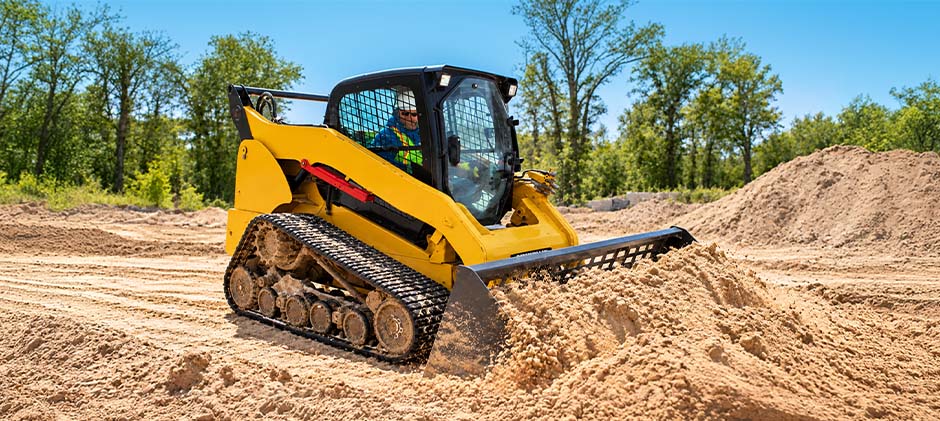
Skid Steer Bucket Size in Yards
To give you a clear idea of what to expect, we have outlined the most common sizes below. Keep in mind that these are general ranges, as every manufacturer uses slightly different dimensions for depth and height.
| Bucket Width | Typical Capacity Range (Cubic Yards) | Best Machine Match |
|---|---|---|
| Small 48-inch bucket | 0.25 to 0.40 cubic yards | Mini or small-frame loaders |
| Mid-size 60-inch bucket | 0.40 to 0.55 cubic yards | Medium-frame loaders |
| Standard 72-inch bucket | 0.55 to 0.75 cubic yards | Large-frame loaders |
| Large 84-inch bucket | 0.75 to 1.0 cubic yard | Heavy-duty loaders |
| High-capacity snow bucket | 1.0 cubic yard or more | Loaders handling light materials |
Skid Steer Bucket Capacity: Level Capacity vs. Heaped Capacity
When you check an attachment spec sheet, you’ll usually see two volume numbers. It’s important to know level capacity vs. heaped capacity so you can estimate loads correctly.
- Level capacity, also called struck capacity, is material filled flush with the bucket’s top rim. Picture sliding a straight board across the bucket to scrape the dirt flat. That’s level capacity.
- Heaped capacity adds the extra material piled above the bucket edge. Dirt, gravel and mulch stack into a natural mound, so you can carry more than the level rating.
Some brands only show heaped capacity to make buckets look bigger. Others list both numbers. Always compare these specs closely before buying.
Factors That Influence Bucket Capacity
Like we said before, two buckets with the same width can have totally different cubic yard capacities. The bucket’s shape changes how much material it can hold. Here are the key design features that affect how much you can scoop:
- Bucket Depth: Deeper buckets hold more material from the cutting edge all the way back to the rear plate.
- Side Profile: Taller side walls add volume and stop loose dirt from spilling out.
- Floor Length: A longer floor makes it easier to scoop and hold different materials.
- Heaped Shape: Some buckets have angled back plates. They let you pile material higher and spill less while moving.
- Bucket Style: Different buckets are built for different jobs. Standard buckets work for regular dirt. Light-material buckets carry more mulch. Rock buckets sift out loose debris, and reinforced buckets handle heavy, dense material.
A wider bucket isn’t always better. Fit an oversized bucket on a smaller skid steer, and your cycle times slow down. You’ll also spill more dirt.
Weight and Volume
Cubic yards tell you how much space you have, but your skid steer is limited by its rated operating capacity (ROC) and tipping load. Material weight matters just as much as volume. Materials weigh very differently.
- Dry wood mulch is light, so you can safely fill a big 84-inch bucket without straining the machine.
- Wet dirt, though, is extremely heavy — it can overload that same bucket fast.
- Gravel is dense, broken concrete puts sharp heavy stress on the bucket metal.
- Even wet snow weighs more than most people guess.
Check your machine’s lift capacity, the bucket’s empty weight, material weight per cubic yard, and how stable the machine rides on rough ground. Ignore weight limits and your hydraulics will slow down, parts wear out quicker, and you create dangerous conditions for everyone on site.
How to Choose the Right Bucket Size for the Job?
Pick the right bucket to get more work done each day, don’t just buy the biggest one you can find. Lots of operators lose productivity with oversized buckets. They can only take partial scoops to keep the machine stable.
- Check Machine Lift Capacity: Know your exact rated operating capacity and tipping load before shopping for attachments.
- Identify Material Weight: Dense, heavy soil usually means you need a smaller bucket to stay within safe lifting limits.
- Choose Proper Width: Match bucket width to your machine’s tires or tracks. The bucket should stick out a little wider to protect tires, but still fit through gates and tight spots on the jobsite.
- Confirm Fitment: Make sure your quick attach works with the bucket. If you use powered attachments, double-check your machine’s hydraulic flow.
- Balance Speed and Stability: The best bucket lets your loader lift, carry, dump and repeat with quick, smooth cycle times.
Signs Your Skid Steer Bucket Is Too Large or Overloaded
If you’re running your skid steer and something feels off, you may have an oversized bucket. Watch for these common warning signs:
- The loader can barely lift the bucket arms off the ground.
- Front-end stability gets worse, and the rear wheels start to lift.
- Hydraulics turn slow and sluggish under load.
- Material keeps spilling over the sides while moving.
- Steering feels jerky and unstable.
- Your daily work output goes down instead of up.
A well-fitted bucket speeds up and smooths out your work cycles, not the other way around.
Common Bucket Capacities by Use
Get the best performance from your machine by matching bucket volume to your job. What you’re working on matters just as much as bucket width.
- Trenching and Precision Work: Digging narrow trenches or working in tight spots? Go with smaller, lower-capacity buckets. They give you better control and let you get into spaces bigger buckets can’t reach.
- General Construction: For everyday dirt hauling, grading and site cleanup, medium standard buckets are really versatile. They strike a good balance between volume and weight and work great for topsoil, gravel and sand.
- Snow Removal and Light Material: Use larger-capacity buckets for dry mulch, animal feed or snow. These materials are light, so you can move more per load without going over your machine’s rated operating capacity.
- Heavy Debris or Dense Material: Hauling wet clay, big rocks or broken concrete? Pick smaller buckets or heavy-duty reinforced ones. This keeps you within safe lifting limits and stops the bucket metal from bending or ripping under heavy stress.
Conclusion
Knowing your skid steer bucket’s cubic yard capacity keeps your jobsite safe and productive. Match bucket volume and load weight to your machine’s limits, and you’ll cut cycle times while avoiding dangerous tip-overs. FridayParts carries dependable attachments and replacement parts for your equipment.
