

For lawn care for beginners, you don’t need a perfect-looking lawn. The goal is simply to keep it neat, healthy, and free of problems like standing water and pests—without spending too much time or money. So, what’s the minimum lawn care a beginner really needs?
What Kind of Grass Do You Have?
First, you’ve gotta figure out what type of grass you’re working with. Literally every tip for cutting, watering or fertilizing your lawn hinges on this. Different grass types need totally different care — what’s good for one can mess up another.
- Cool-Season Grasses: These grasses, like Tall Fescue, Kentucky Bluegrass, and Perennial Ryegrass, do best in regions with cold winters and mild summers. They grow most actively in the spring and fall and may go dormant (turn brownish) during the peak heat of summer.
- Warm-Season Grasses: These grasses, including Bermuda grass, Zoysia grass, and St. Augustine grass, thrive in hot weather. They are common in southern states and grow vigorously during the summer. They go dormant and turn brown after the first frost in the fall.
Wondering how to tell which one you have? Quick trick: check your lawn mid-summer. If it stays green and keeps growing, you’ve got warm-season grass. It looks dried out and brown, it’s a cool-season. If you want a definite answer, snap some clear pictures of your grass and post them on lawn care online forums. Folks there know their stuff and can ID it for you easily.
How to Mow Your Lawn the Right Way?
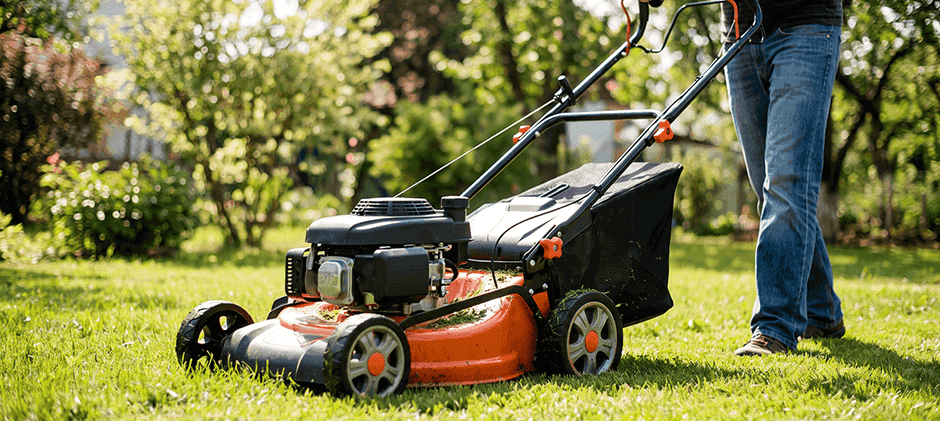
Regular mowing is the most obvious lawn chore, and doing it right changes everything. It’s not just about trimming grass short — it’s all about keeping your lawn healthy.
How High to Cut Your Grass
People always argue about the perfect mowing height. For most lawns, especially cool-season types like fescue, keep the grass tall. Crank your mower up to one of its highest settings, about 3 to 4 inches, and here’s why it works: Longer grass soaks up more sunlight to grow deeper, sturdier roots. It also covers the ground to keep soil cool and stops weed seeds from getting enough sun to pop up.
That said, some warm-season grasses are different. Bermuda grass is the big one — it grows best when cut short, around 1.5 to 2.5 inches. Trimming it low makes Bermuda spread out sideways, forming a thick, full lawn carpet.
Stick to the 1/3 Rule
No matter what height you cut at, follow this simple rule: Never chop off more than one-third of the grass blade in one mow. If your grass hits 3 inches tall, only cut an inch off max. Cutting too much at once shocks the grass, weakens its roots, and leaves it open to bugs and lawn sickness. This rule also tells you how often to mow. When grass grows fast in peak seasons, you might need to mow every 4 to 5 days. When growth slows down, once a week or even less works fine.
Should You Bag Grass Clippings
If you’re new to lawn care, skip the bag and leave the trimmings on the grass — this is called mulching. Tiny grass pieces break down fast and put nitrogen and other key nutrients back into the dirt. It’s basically free natural lawn food. Newer lawn mowers mulch really well, so leftover clippings won’t pile up into thick dead grass buildup.
Only pull out the bag in three cases: your grass got way too long, the grass is wet and clumps up everywhere, or your lawn is full of weeds that already dropped their seeds.
How Often Should You Water Your Lawn?
Water makes your lawn thick and bright green, but how you water depends on your situation. If you rent or just want to do as little upkeep as possible, lots of people say skip watering entirely. Cool-season grass can totally survive summer heat by going dormant. It’ll turn brown, but it’s not dead — it’ll bounce back green once it cools down and the rains come.
If you do decide to water, watering the right way matters way more than watering all the time. Stick to these easy tips for a great lawn:
- Water deep, not every single day: Don’t give your lawn a tiny splash daily. Water longer just once or twice weekly. This pushes grass roots to grow far down into the dirt, so your lawn handles heat and dry spells way better.
- Hit 1 to 1.5 inches of water each week: Rain counts toward this total too. Grab an empty tuna can and set it on the grass while watering; once the can fills up, you’ve put down roughly one inch of water.
- Water early in the morning: 6 AM to 10 AM is the ideal window. Midday watering wastes tons of water to evaporation. Night watering leaves grass blades damp all night long, which lets lawn fungus spread easily.
How to Keep Weeds Under Control?
Thick, healthy grass keeps weeds away all by itself. A dense lawn leaves no space or sunlight for weeds to sprout and spread. Mowing your grass taller, as we talked about earlier, is a solid start. If you want extra protection, prevention is the easiest trick for new lawn owners.
Pre-emergent herbicide is simple and works really well. It makes a thin barrier in the dirt that stops weed seeds from popping up at all. You won’t see instant results, but it keeps weeds from growing before they even show up. For most places, put it down in spring to stop crabgrass and other summer weeds. A second round in fall takes care of winter weeds such as annual bluegrass.
Always check the product label first! If you’re planting new grass seeds soon, this spray will block those seeds from growing, too.
What Lawn Care Tools Do Beginners Really Need?
You don’t have to fill a storage shed with pricey gear just to take care of your lawn. Here’s all the basic stuff you’ll actually need:
- Lawn mower: A basic push mower gets the job done for tiny yards. Self-propelled mowers are way less tiring for medium lawns. If your lot’s half an acre or bigger, pushing a regular mower around will take forever and wear you out — a lawn tractor is worth looking into here.
- String trimmer (weed eater): You can’t cut grass right next to sidewalks, driveways and fences with a mower. This tool trims all those hard-to-reach edges perfectly.
- Spreader: Small handheld spreaders don’t cost much, and they let you evenly spread pellet fertilizer and pre-emergent weed killer all over your lawn.
- Rake or leaf blower: You’ll need one of these to tidy up in autumn. If you leave thick piles of leaves sitting on your grass all winter, they’ll block sunlight and kill the lawn underneath.
Beginner Lawn Care Extra Tips
Once you get the hang of basic lawn work, you can try a few extra easy tricks:
- Get your soil tested first: Before dumping any fertilizer down, send a soil sample to your local university extension service. They’ll check your dirt’s pH level and tell you exactly which nutrients your grass lacks. This saves you cash since you only buy what your lawn actually needs, no wasted products.
- Fertilize the simple way: You don’t have to stick to some confusing strict feeding schedule. If you’ve got cool-season grass, one round of fertilizer in fall is usually plenty. Warm-season lawns just need one feed in late spring or early summer to perk up. Natural/organic fertilizer is way better for newbies — you won’t easily burn your grass even if you spread a little too much by mistake.
- Skip aeration and dethatching for now: Aeration pulls little dirt cores out of your lawn, and dethatching removes thick dead grass buildup. These two jobs are only for fixing big issues like super-packed hard soil or tons of dead grass piled up. If your lawn looks healthy as a new starter, you don’t need to mess with these advanced chores at first.
Conclusion
At the end of the day, new lawn owners just need to stick to simple routines. If you keep up with these easy lawn habits, you’ll get a nice green yard without all the hassle.
Whether your lawn mower is brand new or an old one, it’ll need maintenance and spare parts over time to run smoothly. Hunting down the right replacement pieces shouldn’t be a headache. Here at FridayParts, we carry tons of durable aftermarket parts that fit most lawn mower brands, so you can fix your machine and get back to yard work fast.
