Pro Tips, News & Events

John Deere 310D High Idle Speed: Troubleshooting Guide
Aug 9, 2026

John Deere 310D High Idle Speed: Troubleshooting Guide

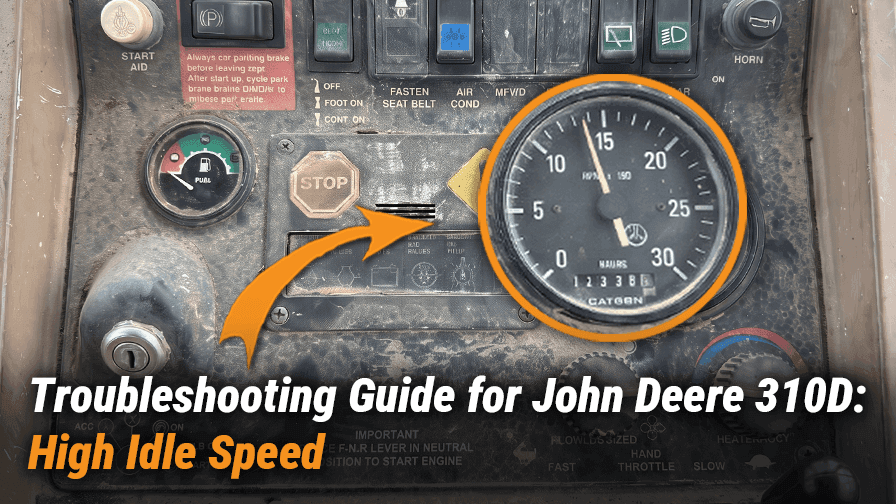
John Deere 310D high idle speed: troubleshooting guide. If your 310D is idling at 1500 RPM and won’t shut off with the key, you’re dealing with a high idle speed problem rooted in the fuel control system. These two issues are usually connected. Start with the outside mechanical parts first—throttle linkage, return spring, idle stop, and cold start parts. A sticking linkage or weak spring is often the culprit. If those are good, test the shutoff solenoid, key switch, and wiring. If the engine still won’t shut off or idle down, the DB2 injection pump is likely the cause. But before going that deep, rule out diesel runaway—check the turbo and intake for oil. Safety first, then diagnose in order.
Are Mower Blades Reverse Thread?
Aug 9, 2026

Are Mower Blades Reverse Thread?

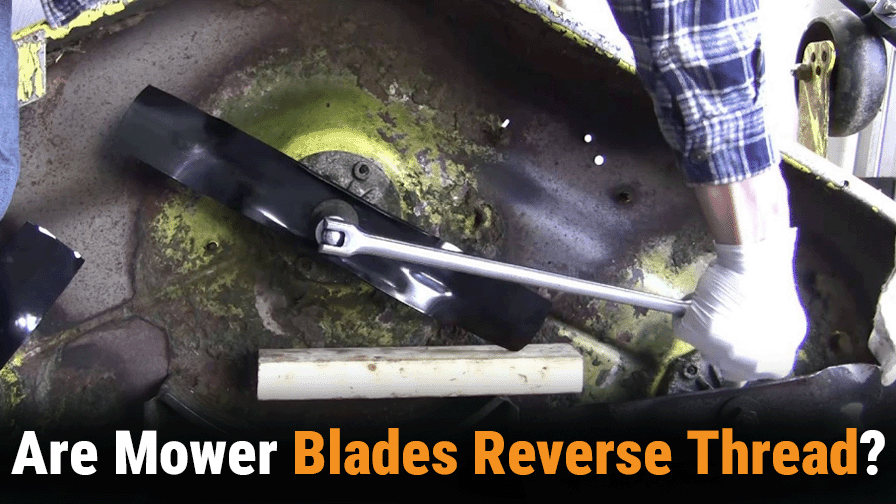
Wondering ‘are mower blades reverse thread?’ Before you strip a bolt, stop and read our guide. We explain why some mowers use them for safety, how to identify the thread direction, and how to safely remove any blade bolt.

Bobcat Filter Cross Reference Chart: A Complete Guide 2026
Aug 9, 2026

Bobcat Filter Cross Reference Chart: A Complete Guide 2026

Are you looking for quality Bobcat replacement filters? This guide will walk you through the Bobcat filter cross reference chart and help you find reliable filters for your Bobcat equipment at an affordable price. Now, let’s get started!

6.7 Cummins Belt Diagram: How to Identify the Right Routing
Aug 8, 2026

6.7 Cummins Belt Diagram: How to Identify the Right Routing

6.7 Cummins belt diagram: how to identify the right routing. A 6.7 Cummins belt diagram helps you find the correct belt path fast. But the right diagram must match the engine in front of you—pulley layout, alternator setup, and A/C configuration all change the routing. Start by counting the pulleys and identifying the main driven parts. Grooved pulleys take the ribbed side of the belt; smooth pulleys take the back side. Route the fixed path first, leave the tensioner for last. After installation, check every pulley to confirm the belt is seated fully. Squeal, flutter, or walking to one edge means the routing is wrong. Match the diagram to your actual setup, not just the engine name.

Finding the New Holland 134 Hydraulic Oil Equivalent
Aug 8, 2026

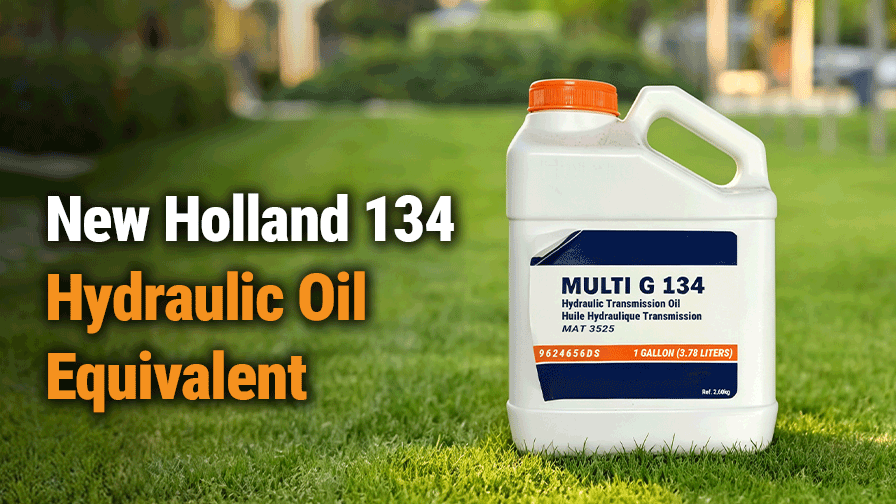
Finding the New Holland 134 Hydraulic Oil Equivalent

Searching for a New Holland 134 hydraulic oil equivalent? This special UTF is vital for your tractor’s transmission, hydraulics, and wet brakes. Learn how to pick a reliable, affordable alternative by matching the M2C134-D spec.

Dipstick Refuses to Budge? 6 Easy Steps to Remove It
Aug 8, 2026

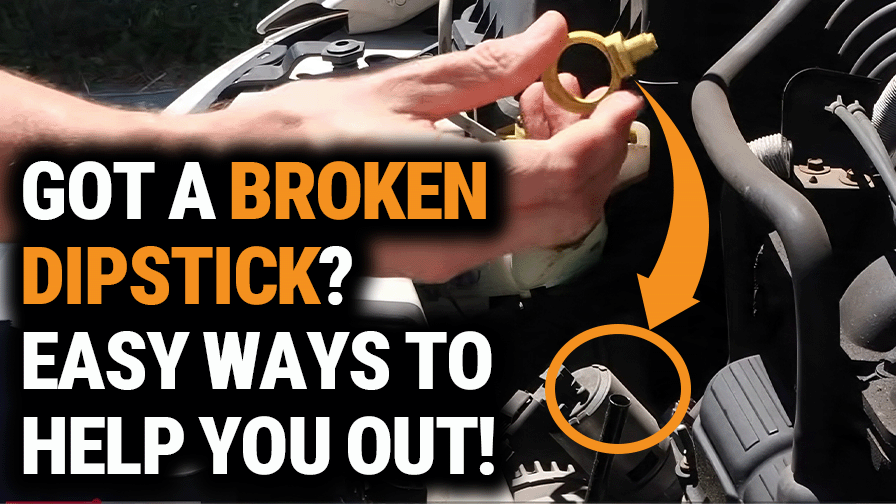
Dipstick Refuses to Budge? 6 Easy Steps to Remove It

Internal combustion engines all have engine oil dipsticks. The dipstick is a long flat metal rod with a plastic puller on its top. Its main function is to indicate the oil level inside the engine and tell you about the oil condition as well as the internal health of your engine. The metal rod slides through what is usually a metal tube and drops into the oil pan off to the side. Depending on the type of vehicle or engine, the dipstick has an orange, yellow or white circular handle, so you can find it easily on the top or either side of the engine. However, once it is stuck or broken, it can lead to costly damage to your engine.

Bobcat Hydraulic Fluid Equivalent: How to Choose Right Hydraulic Fluid for Bobcat?
Aug 7, 2026

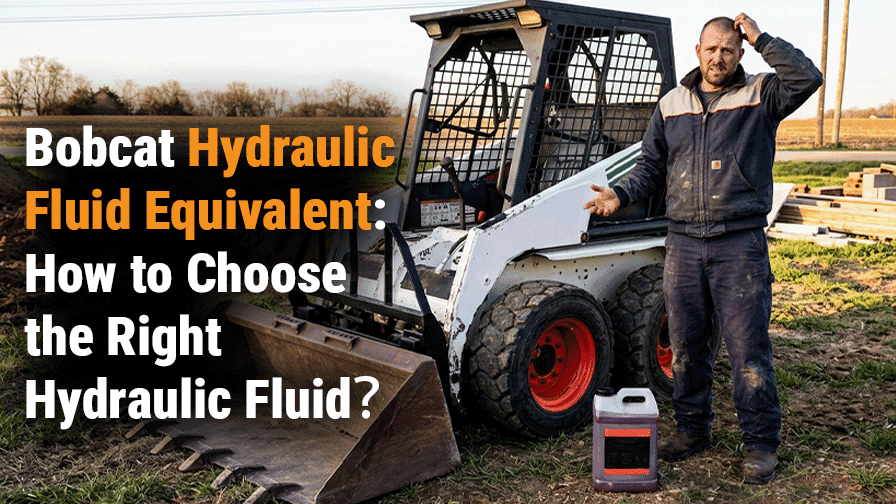
Bobcat Hydraulic Fluid Equivalent: How to Choose Right Hydraulic Fluid for Bobcat?

Are you struggling with a Bobcat hydraulic equivalent? Many Bobcat owners want to save on maintenance costs by shifting to a hydraulic fluid equivalent. This guide will walk you through the Bobcat hydraulic oil equivalent chart and how to choose the right fluid for your Bobcat hydraulic systems.

Your Complete Guide to the Ariens Drive Belt Diagram
Aug 7, 2026

Your Complete Guide to the Ariens Drive Belt Diagram

Need an Ariens drive belt diagram? Our guide covers the Ikon XD 52 and 60 models. Get detailed, step-by-step instructions for replacing your drive belt, plus tips on how the automatic tensioner system works.

Mini Bulldozer: What It Is, Why It’s Rare, and What Replaced It
Aug 7, 2026

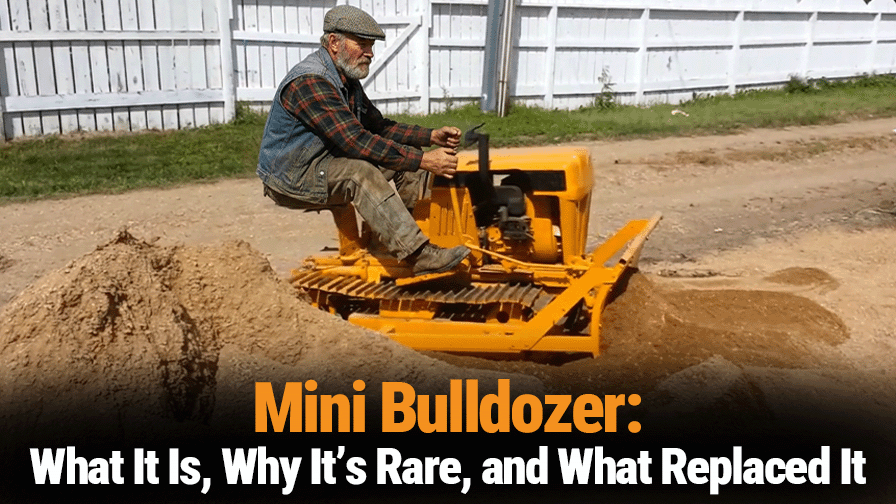
Mini Bulldozer: What It Is, Why It’s Rare, and What Replaced It

Mini bulldozer: what it is, why it’s rare, and what replaced it. A mini dozer looks like the obvious choice for grading and pushing dirt—until you realize you also need to dig, load, and move material around the same site. That’s where skid steers and excavators win out. A mini bulldozer is a small tracked machine with one job: pushing and grading dirt. It has tracks for grip, a blade up front, and not much else. They’re rare because compact equipment needs have changed—tracked skid steers and mini excavators now cover more work with one machine. If your work stays on the surface, a mini dozer still makes sense. If it changes every day, buy a skid steer. If you dig trenches, buy an excavator.

Which Way Do Mower Blades Go On?
Aug 6, 2026

Which Way Do Mower Blades Go On?

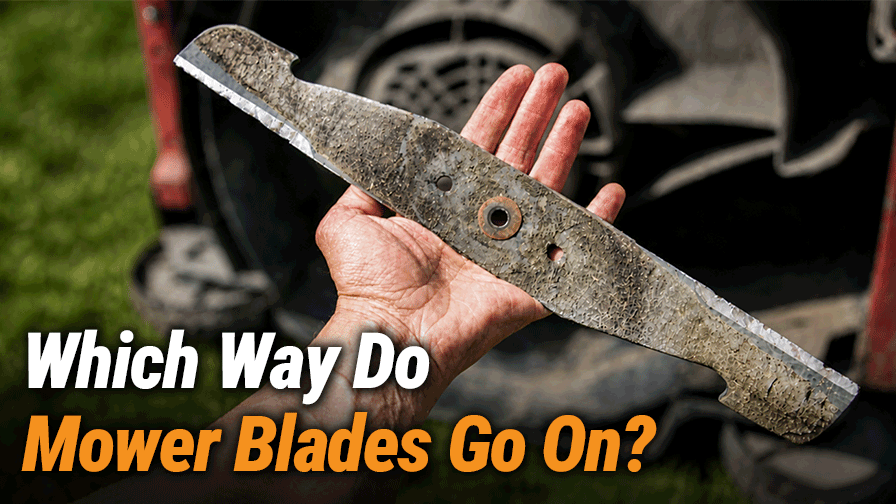
Learn the correct lawn mower blade position to avoid a ragged cut. This guide shows you which way mower blades go on—wings up for lift—and explains why timing blades is unnecessary for most mowers with a V-belt drive.

Flail Mower vs Brush Hog: Which Is Better for Your Land?
Aug 6, 2026

Flail Mower vs Brush Hog: Which Is Better for Your Land?

Flail mower and Brush hog are two popular types of implements for tractor owners to maintain their land. But which one is better? Move on to reading and you’ll learn a detailed comparison of flail mower vs brush hog, so that you can make your final purchasing decision.

Fleetguard Filter Cross Reference: A Complete Guide
Aug 6, 2026

Fleetguard Filter Cross Reference: A Complete Guide

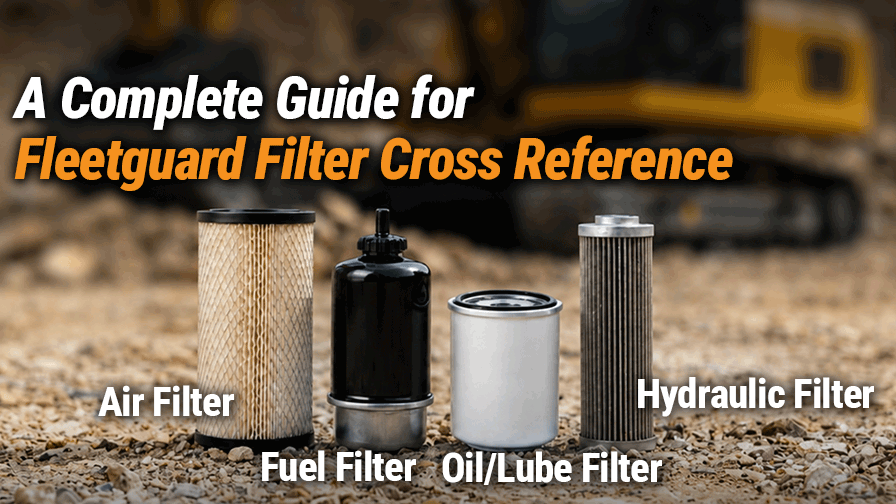
Fleetguard filter cross reference: a complete guide. A Fleetguard filter cross reference helps you find replacement numbers faster when the original part is not available. It’s especially useful when comparing brands across air, fuel, lube, and hydraulic applications. This guide brings together practical cross-reference tables to reduce ordering mistakes and speed up the search process. The tables list common equivalents for Baldwin, Donaldson, FRAM, Luber-Finer, and WIX filters. Before ordering, verify thread size, gasket design, dimensions, and bypass valve pressure—a cross reference is a starting point, not a final fit guarantee. Check the complete part number, compare dimensions, and confirm the machine application before buying.