How-tos

Access step-by-step repair and maintenance guides to keep your off-road equipment running smoothly with our expert tips!

All

Should You Add a Tractor Bucket Tooth Bar for Packed Dirt?
Sep 24, 2026

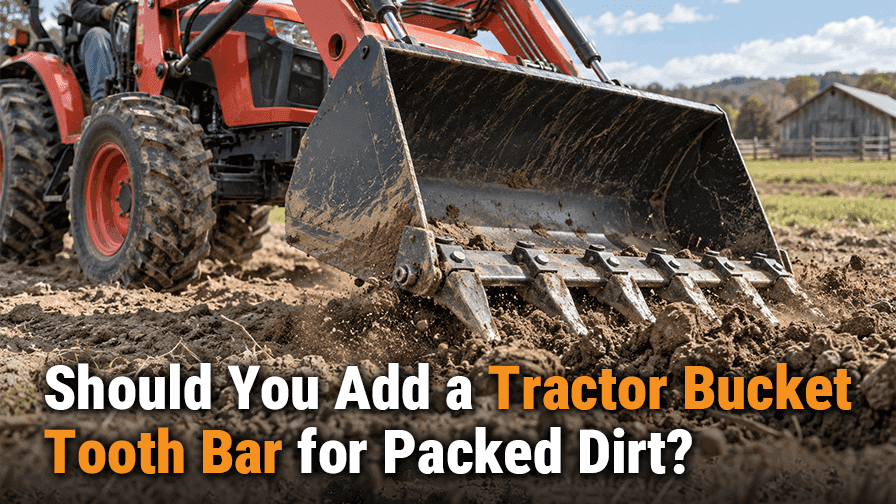
Should You Add a Tractor Bucket Tooth Bar for Packed Dirt?

Should you add a tractor bucket tooth bar for packed dirt? A tooth bar helps, but it is not the whole fix. On a compact tractor, teeth give the bucket more bite. They cut at several points instead of one flat edge. That helps with packed dirt, roots, brush, gravel, and back dragging. It also protects the bucket edge. But it does not change lift capacity or traction. Hard clay still needs to be loosened first. That is the part many people miss. If packed soil is beating the bucket, do not charge harder. Loosen the ground first. Use a box blade with scarifiers to rip the surface. Make another pass if needed. Then scoop with the loader. Grade and smooth on the final pass. That sequence reduces shock load on the loader. It also puts less strain on pins, hydraulic hoses, and front axle parts. If the main problem is hardpan, a box blade with rippers is the better first buy than a tooth bar.

What Are Class 8 Trucks? Understanding the Truck Classifications
Sep 23, 2026

What Are Class 8 Trucks? Understanding the Truck Classifications

Ever wondered what powers the absolute giants of the highway? In the United States, commercial vehicles are categorized into eight distinct classes based on their Gross Vehicle Weight Rating (GVWR), with Class 8 representing the heaviest rigs on the road. These behemoths weigh over 33,000 pounds and haul up to 80,000 pounds of freight. While these heavy-duty machines are the undisputed backbone of North American logistics, keeping them running smoothly is no simple task. What actually goes into building these Class 8 trucks, and which easily overlooked maintenance mistake could quietly ground your entire fleet? Let’s dive in.

How to Remove a Stubborn Hydraulic Cylinder Gland with a Spanner Wrench?
Sep 23, 2026

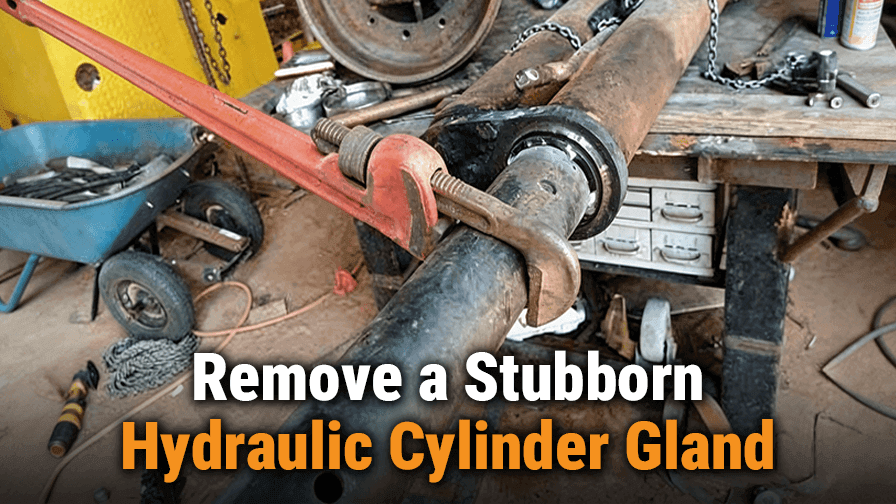
How to Remove a Stubborn Hydraulic Cylinder Gland with a Spanner Wrench?

Learn practical steps for removing a stubborn hydraulic cylinder gland: secure and drain the cylinder, use a stout spanner or pipe wrench with a cheater bar, apply penetrating oil or heat, and inspect or replace seals to avoid leaks and premature failures.

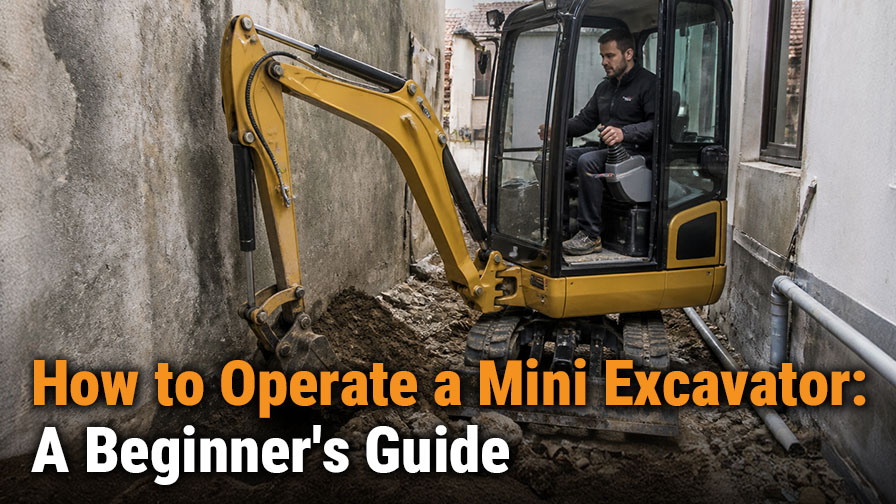
How to Operate a Mini Excavator: A Beginner’s Guide
Sep 23, 2026

How to Operate a Mini Excavator: A Beginner’s Guide

How to operate a mini excavator: a beginner’s guide. How to operate a mini excavator comes down to a few steps. First, inspect the machine. Then drop the blade for stability, learn the joystick pattern, and use a smooth dig, swing, and dump cycle. Moving the machine is easy. Using it well takes more attention. Before startup, check the ground condition, work zone, underground utilities, overhead clearance, hydraulic hoses, tracks, and fluids. Use three-point contact when entering the cab. Fasten the seatbelt. Lower the blade before digging. The left joystick controls stick and swing. The right joystick controls boom and bucket. The cleanest bucket fill comes from combining bucket curl with stick retraction, not from forcing the bucket straight down. Keep the bucket low when traveling. Travel straight up or down a slope, not across it. Take smaller controlled cuts. Keep spoil on one side.

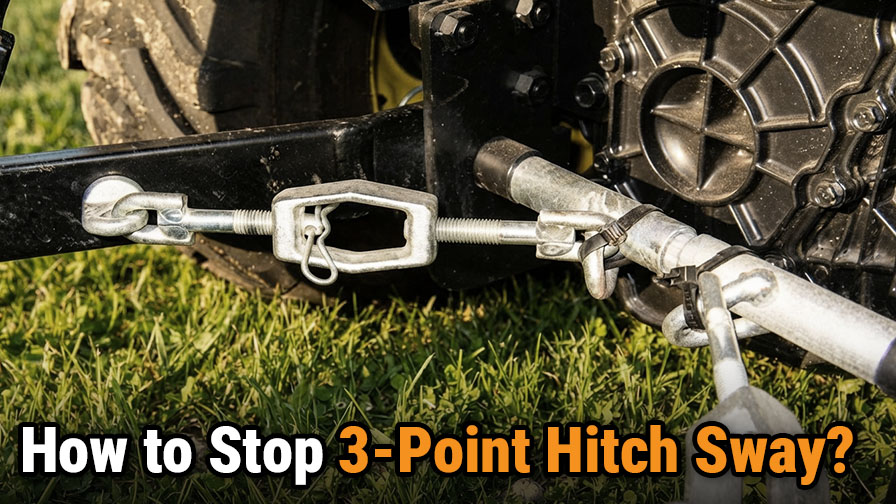
3-Point Hitch Sway Adjustment: A Complete Guide
Sep 22, 2026

3-Point Hitch Sway Adjustment: A Complete Guide

This guide to 3-point hitch sway adjustment shows how to center the implement, tighten turnbuckles or stabilizer bars, and eliminate pin play with bushings so rotary cutters and blades run true and won’t strike tires.

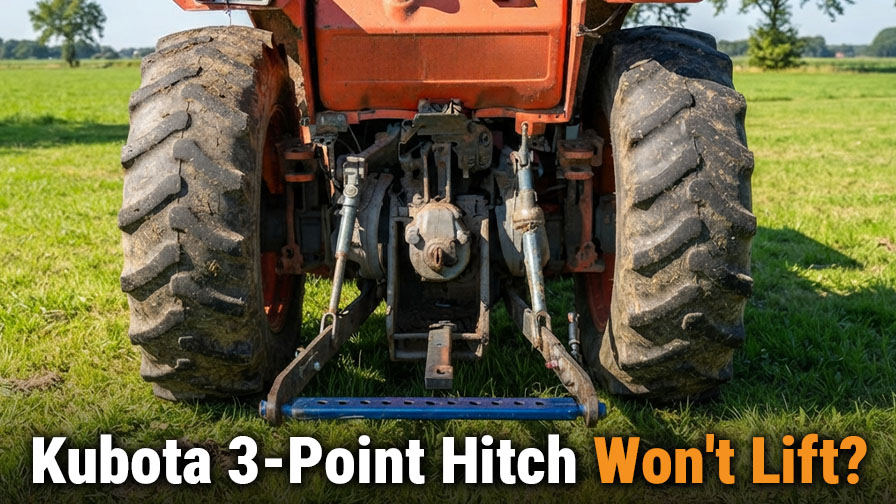
How to Fix a Kubota 3-Point Hitch That Won’t Lift?
Sep 21, 2026

How to Fix a Kubota 3-Point Hitch That Won’t Lift?

Fixing a Kubota 3-point hitch that won’t lift is often simpler than you think. This guide covers the most common culprits, from adjusting the hydraulic flow control knob to checking fluid levels, filters, and the pump.

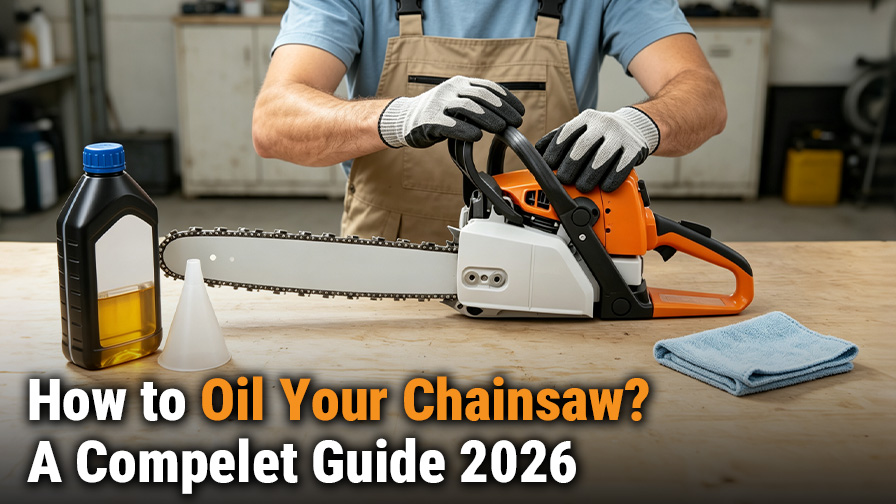
How to Oil A Chainsaw? A Complete Guide 2026
Sep 21, 2026

How to Oil A Chainsaw? A Complete Guide 2026

Oiling your chainsaw is crucial to extend its service life. This includes oiling the chainsaw chain and chainsaw bar. For manual oiling, the process is as simple as putting a little chainsaw oil directly on the chain links and spreading the oil over the whole chainsaw chain with a small brush. But how to choose the oil? How often to change the chain oil? This guide will cover how to oil a chainsaw with detailed instructions.

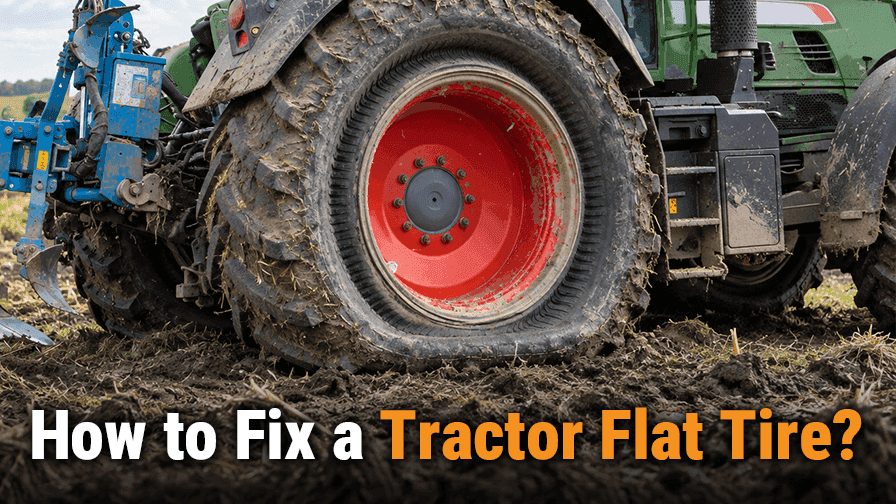
How to Fix a Tractor Flat Tire?
Sep 20, 2026

How to Fix a Tractor Flat Tire?

A tractor flat tire can bring your fieldwork to a sudden halt. This guide explains common causes of flats and provides step-by-step instructions for reseating beads, plugging tread punctures, and knowing when to replace.

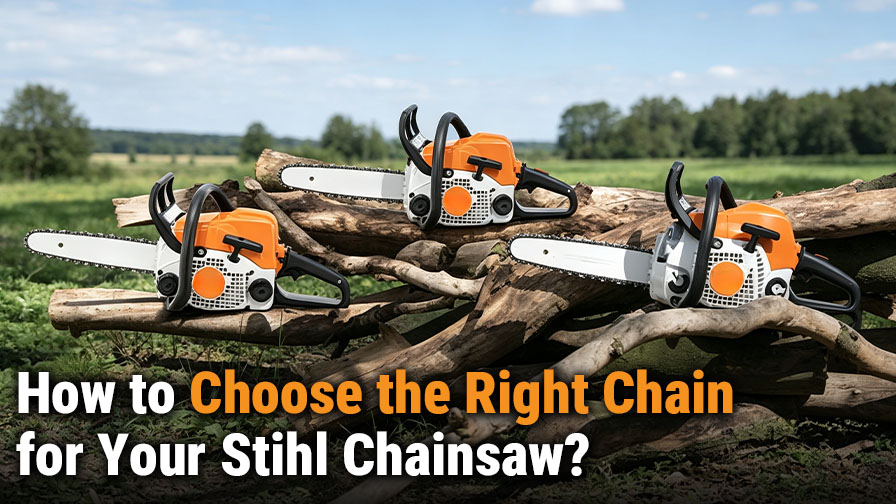
How to Choose the Right Chain for Your Stihl Chainsaw?
Sep 20, 2026

How to Choose the Right Chain for Your Stihl Chainsaw?

Choosing the right chain for your Stihl chainsaw is straightforward. You can consult your owner’s manual for the details of the chain elements and chainsaw chain type. However, even a robust chainsaw can wear over time. You should keep regular maintenance of your chain and chainsaw. At FridayParts, we are dedicated to providing a vast range of quality replacement parts for your Stihl chainsaws. Explore now and get the best performance of your chainsaw.

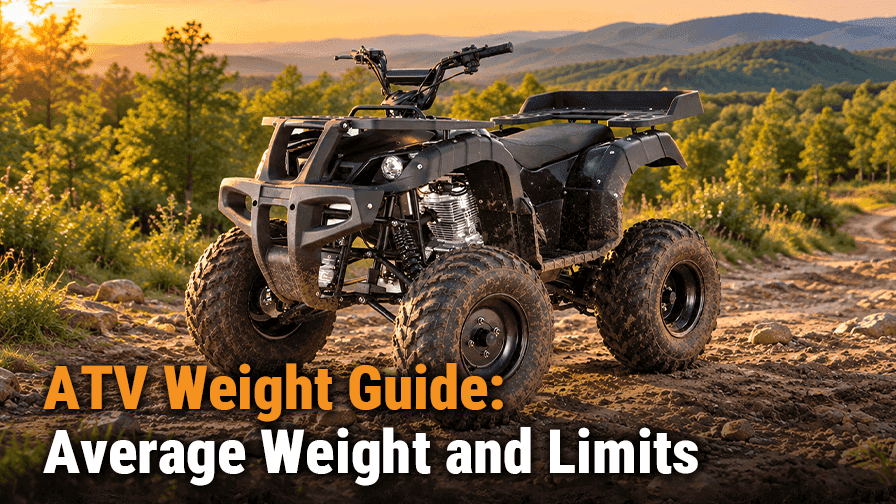
ATV Weight Guide: Average Weight and Limits
Sep 20, 2026

ATV Weight Guide: Average Weight and Limits

ATV weight guide: average weight and limits. How much does an ATV weigh? It depends. A youth model is around 200 to 300 pounds. A sport quad is 350 to 450 pounds. A utility machine is 600 to 800 pounds or more. That range is wide because the machines are different. Engine size gives a clue. A 50cc ATV is about 215 pounds. A 500cc machine is 600 to 650 pounds. A 1000cc utility quad can weigh over 840 pounds. But the number on the spec sheet is often dry weight. That means no fuel, no oil, no coolant. Curb weight is the ready-to-ride number. Use that for trailer and ramp planning. GVWR is different. It is the maximum safe total weight with rider and cargo. State rules use specific definitions too. Minnesota and Maine both set a 2,000-pound dry weight limit. Width limits apply. Check the rules before you buy or ride.

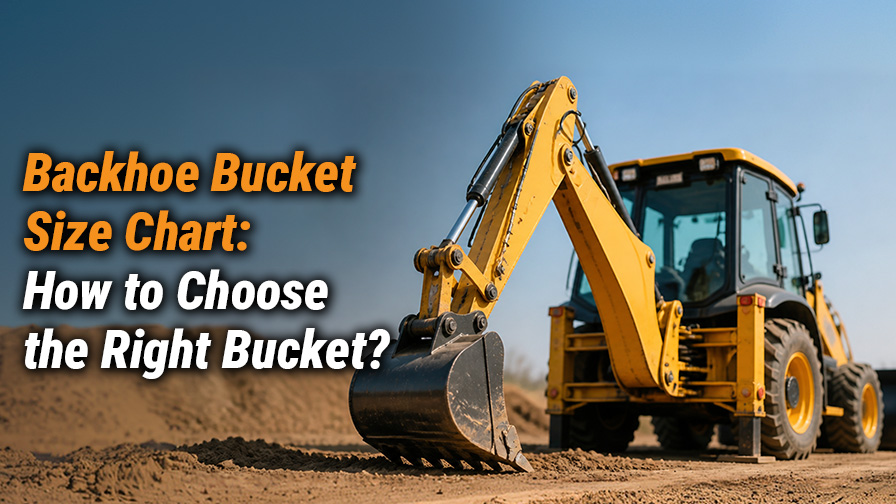
Backhoe Bucket Size Chart: How to Choose the Right Bucket?
Sep 19, 2026

Backhoe Bucket Size Chart: How to Choose the Right Bucket?

Backhoe bucket size chart: how to choose the right bucket? The right bucket depends on the work first, then the machine. Trenching for pipe is not the same as moving loose topsoil. A bucket that works well in sand may be a poor choice in wet clay or rock. Compact backhoes use 8 to 18 inch buckets for trenching. Mid-class machines use 12 to 24 inches. Heavy-class machines use 12 to 36 inches. Large machines use 18 to 36 inches or more. But width alone is not enough. Check pin diameter, pin centers, and dipper gap before buying. Buckets are not universal. On larger machines with quick couplers, there is more flexibility. On smaller machines, exact dimensions matter more. Worn connection parts create play and poor fit. Estimate capacity by measuring internal dimensions and applying a heaping factor. Match the bucket to the job and the machine.

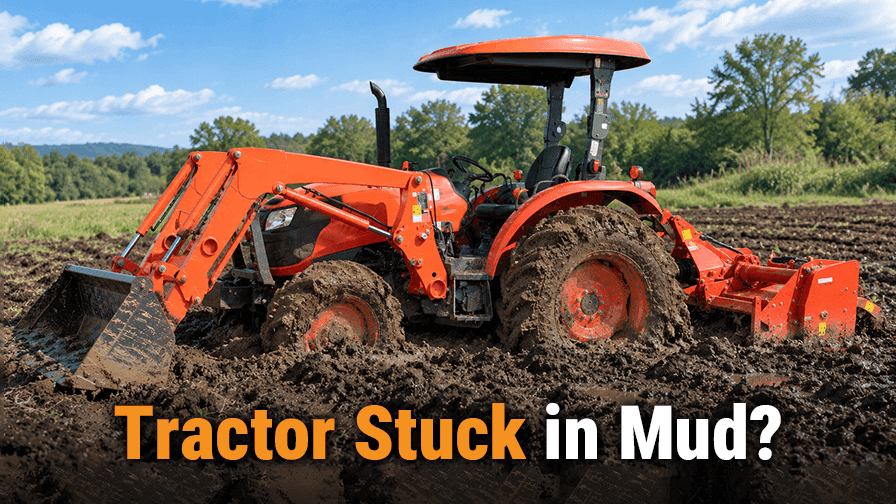
Tractor Stuck in Mud? How to Get It Out
Sep 18, 2026

Tractor Stuck in Mud? How to Get It Out

Having a tractor stuck in mud halts your work. Learn how to assess the situation, use self-recovery tricks like front loaders, and safely perform tractor-to-tractor pulls with kinetic ropes to get back to work quickly.