

Ballasting the tractor is an important method to get the power of the tractor to the ground. However, many people don’t necessarily know how to ballast their tractors. In this guide, we’ll talk about the types of ballast and how to choose proper tractor ballast.
What Is Tractor Ballast?
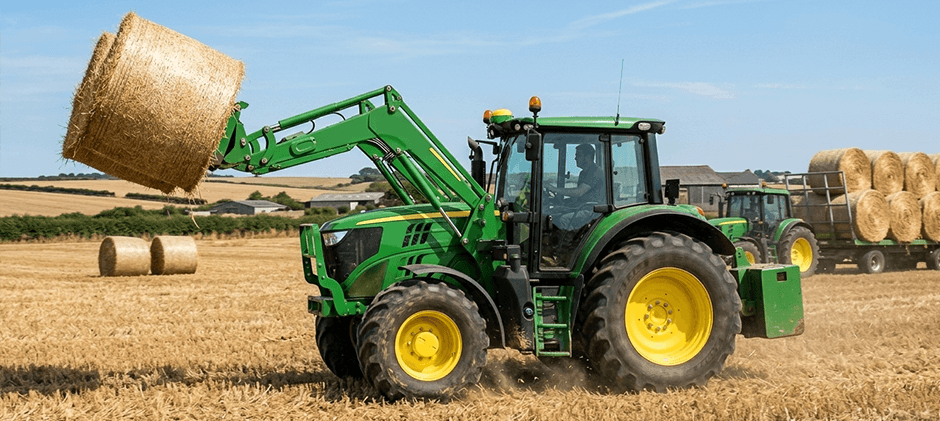
The ballast refers to using a heavy material to provide extra stability to a vehicle or structure. Many materials can be used, including sand, gravel, iron and even water. In a tractor, ballasting is usually used on the rear for enhanced traction, stability and balance for various operations. Without proper ballast, tractors can experience wheel slippage, front-end lifting or uneven weight distribution. Every farmer and tractor operator needs to understand the tractor ballast for productivity and safety.
When to Use Tractor Ballast?
- The ballast is needed for the following situations:
- Using heavy rear-mounted implements like plows or seeders.
- Operating front-end loaders
- Towing trailers or pulling heavy equipment
- Working on slopes, muddy fields or loose soil
Proper use of ballast can improve fuel efficiency by reducing wheel slippage and strain on the drive train.
Types of ballast
The ways of ballast vary depending on the specific tasks. The most commonly used forms for tractors are the following five:
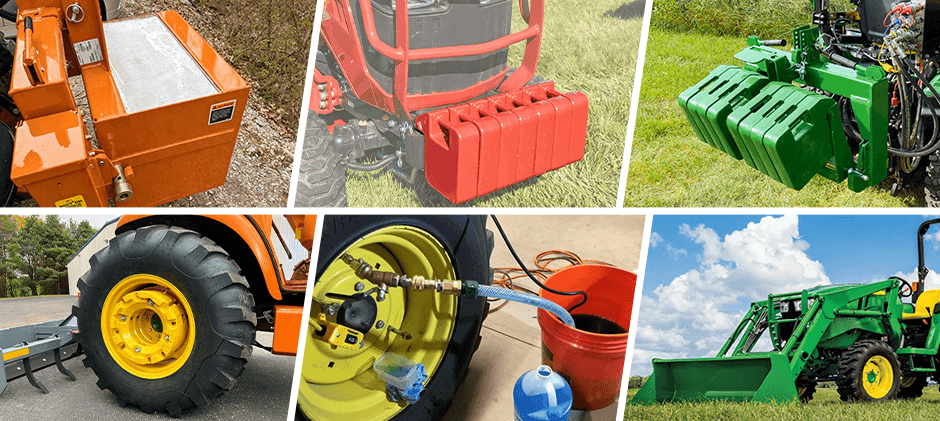
- Ballast Box: A box attached to the rear 3-point hitch and filled with heavy materials like concrete, sand, or gravel.
- Front Ballast: Weights mounted on the front of the tractor to offset heavy rear-mounted implements.
- Rear Ballast: Weights mounted on the rear wheels or frame to help balance front-mounted implements like loaders.
- Wheel Ballast: Weights are bolted directly to the tractor wheels, increasing weight without affecting ground clearance.
- Liquid Ballast: Adding liquid inside the tires increases weight while maintaining a low center of gravity.
*You Might Also Like: How to Check and Adjust Your Lawn Mower Tire Pressure
How Does A Three Point Hitch Work on A Tractor
How to Choose Tractor Ballast for Farming?
Choosing the right tractor ballast can increase productivity and safety. The table below shows the pros and cons of each type of tractor ballast and their usage.
| Type | Advantages | Disadvantages | Best for |
|---|---|---|---|
| Ballast Box | Adjustable weight based on the material used;
Easy to attach and remove; |
Requires a three-point hitch to mount;
Can reduce maneuverability in tight spaces; Weight distribution not ideal for pure traction improvement |
Front-end loader work;
Temporary ballasting |
| Front Ballast | Prevents front-end lifting;
Easy to install and remove as needed |
Add stress to the front axle;
Reduce front-end maneuverability |
Heavy rear attachments, such as planters or sprayers;
Maintaining balance on uneven terrain |
| Rear Ballast | Improve stability when using front-end loaders;
Prevent tipping when carrying heavy loads |
May reduce rear clearance;
May cause overloading on rear axle |
Heavy-duty lifting with front-end attachments;
Working on slopes or uneven terrain |
| Wheel Ballast | Improve traction in slippery conditions;
Relatively easy to install and remove; Doesn’t interfere with most rear attachments; Provide weight directly where it’s needed |
Limited in total weight capacity compared to other options;
More expensive per pound than some alternatives |
General-purpose tasks;
Long-term ballasting needs. |
| Liquid Ballast (Water) | Cheap and easy to fill | Freeze in cold climates | Wet or muddy conditions |
How Much Ballast Should I Use?
The ballast varies depending on your specific tractor, the terrain and the type of job you’re working on. If you’re not sure, here are signs that you have the wrong ballast.
| Too Much Ballast | Not Enough Ballast |
|---|---|
| 1. Excessive ground compaction 2. Strain on tires and wheels 3. Feeling of lower tractor power 4. Excessive fuel consumption 5. Decreased stability and reduced ride comfort 6. Unacceptable braking performance |
1. Wheels slipping frequently 2. Excessive fuel consumption 3. Excessive wear on tires 4. Lack of traction 5. Decreased stability |
Calculating the Right Ballast Weight
Too much or too little ballast can both lead to decreased performance, excessive tire wear or damage to the drive train. You must consider these three key factors:
1. Tractor Weight: Check you manual for the base weight of your tractor
2. Implement Weight: Add the weight of the attachment or implement in use.
3. Recommended Weight Split: 25-30% of weight on the front axle, 70-75% on the rear axle for 2WD Tractors; 40-45% of weight on the front axle, 55-60% on the rear axle f0r 4WD tractors
Always refer to the operator’s manual to determine the ideal ballast weight for specific tasks. See What’s the Real Difference Between a 2WD and 4WD tractor?
Frequently Asked Questions
How do I know if my tractor needs more ballast?
If you feel front wheel lifting, difficult steering, reduced traction with spinning wheels or overall instability during operation, that means you need more ballast. Consult your owner’s manual for specific weight recommendations based on your model and attachments.
How often should I adjust my tractor’s ballast?
Ballast should be adjusted based on the task at hand. You may need more ballast when using a heavy front-end loader attachment compared to light fieldwork. Adjust the ballast for optimal performance and safety during each season according to the operating conditions.
Should I use wheel weights or a ballast box?
You can use both. Wheel weights directly improve traction and ballast boxes offer more flexibility. Many seasoned operators combine these two for optimal performance across different applications.
Final Thoughts
Ballasting your tractor correctly is essential to improving traction, stability, safety and efficiency while reducing wear and tear on tires and mechanical components. You should choose the right ballast way according to the tractor weights, terrain, implements and your specific needs. Always check your manual for specific ballast recommendations and tune up your setup as needed. FridayParts is dedicated to providing high-quality tractor parts and helpful expertise on tractor maintenance, troubleshooting and repairs, enabling a smooth operation during each season.
