

SPN 636 FMI2 signals a fault in the crankshaft position sensor circuit. The FMI2 suggests that the electronic control module (ECM) has detected an abnormal signal from the sensor, which could lead to poor engine performance, misfires, or difficulty starting the engine. In this guide, we’ll dive into the symptoms, causes and easy fixes of the error code.

What Does SPN 636 FMI 2 Really Mean?
The error code SPN 636 FMI2 indicates a problem with the ECM’s 5-volt sensor reference voltage circuit. The ECM supplies a stable 5-volt signal to multiple sensors, including:
- MAP sensor
- Boost/Intake pressure sensor
- Ambient pressure sensor
- Turbo speed sensor
- EGR position sensor
- Throttle position sensor
- Fuel pressure sensor
The FMI2 means the ECU detects an erratic or incorrect voltage, which is possibly caused by the following factors:
- One of these sensors is shorted
- The wiring harness is damaged
- There is a short to ground or short to power
- The 5V circuit is collapsing and dragging all sensors down
Symptoms of SPN 636 FMI 2
When the code appears, operators often report:
- Engine won’t rev or has limited throttle response
- Low boost pressure and engine derate
- Rough idle or engine stalling
- Multiple false sensor fault codes
- Turbo actuator faults
- EGR valve-related faults
- MAP sensor readings stuck at zero
- ECM voltage irregularities
A 5V reference issue is one of the most disruptive electrical failures.
What Causes SPN 636 FMI 2 Code?
Here are common reasons behind the error code:
- Faulty crankshaft position sensor: This may produce a weak, inaccurate or intermittent signal. Since the ECM relies on this signal to determine the crankshaft speed and position, a failing sensor can lead to incorrect ignition timing, improper fuel injection, hard starting or even engine stalling.
- Damaged or shorted wiring in the sensor circuit: The wiring between the crankshaft sensor and the ECM carries critical timing signals. Damaged wires, broken insulation, or short circuits can interrupt the signal or create unstable readings, causing the ECM to lose accurate crankshaft position information.
- Corroded or loose sensor connectors: Corrosion, moisture, or loose connections at the sensor plug can increase electrical resistance and interfere with signal transmission. This may result in intermittent faults that appear and disappear during engine operation.
- Failed Turbo Speed Sensor: This is common on some Cummins ISX engines. A defective turbo speed sensor may short the shared 5V reference circuit and trigger multiple false sensor codes.
- Poor ECM signal reception from the sensor: If the ECM cannot properly receive or interpret the crankshaft position signal, it may set a fault code and activate protective measures. This can happen due to signal interference, ECM-related issues, or problems within the sensor circuit.
- Incorrect installation of the crankshaft sensor: An incorrectly installed crankshaft sensor may have an incorrect air gap, improper alignment, or insufficient mounting. These issues can affect signal strength and accuracy, leading to incorrect crankshaft position readings.
- ECM Internal Failure (Rare): Internal ECM damage may prevent the module from maintaining a stable 5V reference voltage.
How to Diagnose SPN 636 FMI 2 with A Scanner?
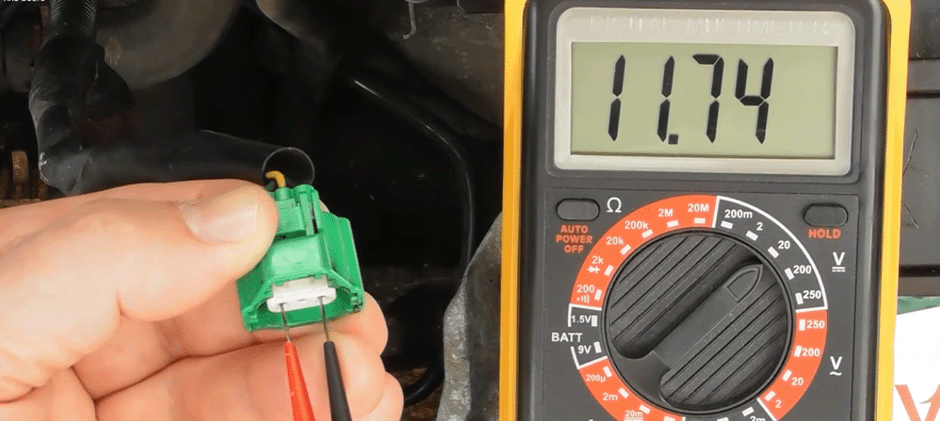
A scanner is REQUIRED because this fault causes dozens of fake codes. The scanner isolates which sensor is causing the 5V collapse. Here are the steps for you.
Check All Sensor Readings on the 5V Line
Watch for:
- MAP sensor stuck at 0
- Fuel pressure reading −40 psi or unrealistic values
- EGR position frozen
- Turbo speed reading 0
- The sensor with the incorrect reading is usually the one shorted.
Disconnect Sensors One at a Time
This is the fastest way to find the failed sensor:
- Disconnect MAP → does 5V return?
- Disconnect fuel pressure → does 5V return?
- Disconnect EGR position → does 5V return?
When 5V returns, YOU FOUND THE BAD SENSOR.
Use the Scanner to Monitor 5V Reference Live Data
- Normal: 4.95–5.05V
- If dropping → the short is active.
Inspect Harness Sections
- EGR valve
- Intake manifold
- Frame rail behind battery box
- Underneath charge air pipes
- Chafed wires are extremely common.
Check for Related Codes
Common companion faults:
- SPN 102 (boost pressure)
- SPN 164 (fuel pressure)
- SPN 641 (turbo actuator)
- SPN 111 (voltage faults)
Electrical noise from the short causes cascading faults.
See Related:
What is the SPN 102 FMI 18 Code? How to Solve it?
What Is SPN 641 FMI 9 & How to Solve It?
What is SPN 111 FMI 3 Code? How to Solve It?
How to Fix SPN 636 FMI 2?
After diagnosing, you can fix it easily based on the causes.
A shorted sensor:
- Replace the bad sensor
- Clear all codes
- Recheck 5V reading according to the steps above
Damaged harness:
- Repair chafed wiring
- Replace corroded pins
- Seal connectors
- Re-test
Moisture or corrosion in the connector:
- Dry connector
- Clean with electrical contact cleaner
- Apply dielectric grease
A failed turbo speed sensor:
- Replace the sensor
- Verify VGT operation afterward
- If it’s an ECM failure
- Replace ECM
- Perform programming and injector coding
How to Prevent SPN 636 FMI 2?
Prevention is the best solution. You can do the following to avoid it before it happens.
- Regularly inspect the crankshaft position sensor and its wiring
- Keep connectors clean and free from corrosion
- Ensure proper installation of the sensor
- Perform routine diagnostic checks to ensure sensor functionality.
Final Takeaways
The SPN 636 FMI 2 refers to a 5-volt reference circuit fault. It’s usually caused by a shorted sensor, harness damage, moisture in connectors, turbo speed sensor failure or a rare ECM failure. Once you get this code, it can collapse the 5V supply and trigger multiple other codes. You have to troubleshoot all the possible sensors and fix them one by one to get your equipment running again. At FridayParts, you can source a vast range of quality sensors, including crankshaft position sensors, camshaft position sensors and other indicator and sensing components. Stay tuned to our blogs to learn more about the error codes and enjoy fixing them yourselves.
