

Going in circles on the Yamaha Kodiak vs. Grizzly? Start here. Kodiak is built for work and value. Grizzly is built for trails and a smoother ride. The hard part is everything in between. The 450 and 700 ride like different machines. EPS matters more than engine size, and the brakes don’t age the same way. Below, you’ll find the honest comparison so you buy once instead of twice.
Kodiak Vs Grizzly Quick Comparison
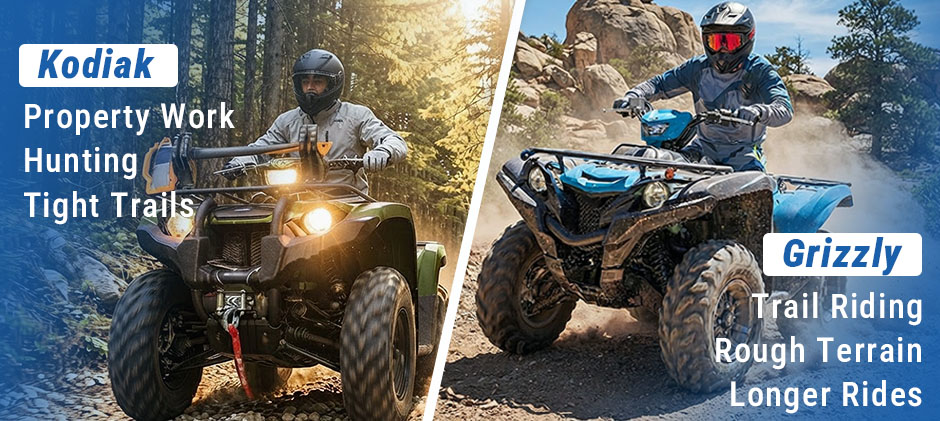
The Yamaha Kodiak vs Grizzly difference comes down to this. Kodiak favors utility and value. Grizzly favors trail comfort and fun. Sounds easy enough—until you actually line up the power, steering effort, suspension, and price. That’s where things get clear.
| Model | Best For | Power | Steering Feel | Ride Character | Value Level |
|---|---|---|---|---|---|
| Kodiak 450 EPS | Light work, hunting, narrow trails | 421cc, about 26 HP | Light and easy | Compact and controlled | Strong |
| Kodiak 700 | Budget work use | 686cc, about 45 HP | Heavier without EPS | Strong and simple | Good |
| Kodiak 700 EPS | Mixed work and trail use | 686cc, about 45 HP | Easy with strong pull | Stable and useful | Best overall |
| Grizzly 700 EPS | Faster trail riding | 686cc, about 45 HP | Easy and more playful | Softer and roomier | Premium |
If you want the quick picks, use this list:
- For Injury And Easy Steering: Kodiak 450 EPS or Kodiak 700 EPS
- For Firewood Hauling And Property Work: Kodiak 700 EPS
- For Tight Trails And Hunting: Kodiak 450 EPS or Kodiak 700 EPS
- For Faster Trail Riding: Grizzly 700 EPS
- For Best Value: Kodiak 700 EPS
That’s the short version. The details below matter because engines of similar size don’t always build the same machine. This is also where steering parts and suspension parts start to matter over time.
450 Vs 700 Power Difference
The 450 and 700 aren’t just slightly different. They’re built for different jobs.
The Kodiak 450 has a 421cc engine, producing about 26 horsepower. Step up to the Kodiak 700 or Grizzly 700, and you’re looking at a 686cc engine putting out roughly 45 horsepower. That’s a noticeable gap on paper—and it feels even wider once you load up with cargo, hit the hills, or bolt on bigger tires.
With the 450, you get enough power for:
- Normal trail riding
- Hunting trips
- Light towing
- Tools and gear
- Smaller property work
With the 700, you get more confidence for:
- Firewood hauling
- Steeper climbs
- Heavier loads
- Faster trail riding
- Longer rides with less strain on the engine
This is why Kodiak 700 vs Grizzly 700 is such a common decision point. Many riders already know they want the 700-class engine. Then the real choice becomes whether they want the Kodiak’s work-first value or the Grizzly’s more playful feel.
Still, the 450 should not be dismissed too quickly. If you ride slower, stay on tighter trails, and care more about easy steering than top-end power, it remains a smart option. It also keeps your budget lower. For long-term ownership, drive belt parts and CVT clutch parts also shape how each machine feels under load.
Kodiak Vs Grizzly Differences
The Yamaha Kodiak vs Grizzly debate gets more interesting once you move past engine size. These machines share a similar family feel, but their personalities are different.
Work Vs Trail Focus
Kodiak is the more work-centered machine. It feels compact, planted, and easy to place on narrow trails or around buildings, fences, and woods. It is usually the easier machine to justify if chores come first.
Grizzly leans more toward trail duty. It feels roomier and calmer at speed. If you’re covering rough ground quickly, the Grizzly makes more sense.
A simple way to split them:
- Choose Kodiak for work, woods, and value
- Choose Grizzly for recreation, comfort, and higher trail pace
Ride And Suspension Feel
This is one of the biggest day-to-day differences.
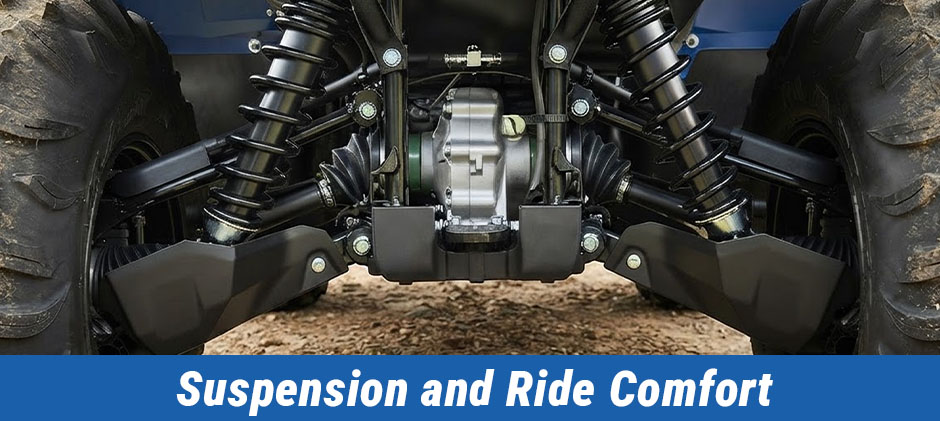
Kodiak feels firmer and more direct. That works fine for utility use. It can even feel more planted at slower speeds. But on rough trails, the ride is not as forgiving.
The Grizzly tends to soak up repeated bumps better and feels more comfortable overall. You get more room to shift around and a bit more confidence as trail speed climbs. That’s not to say the Kodiak rides poorly. It means the Grizzly feels more refined for fun riding. If ride quality becomes a priority later, shock replacement parts and ATV suspension parts can help keep either machine feeling right.
Brake Setup And Maintenance Feel
A useful detail in Grizzly 700 vs Kodiak 700 is the rear brake design.
Kodiak often uses a sealed wet multi-plate rear brake. Grizzly often uses a rear disc brake. That affects how the machine feels to live with.
| Brake Type | Main Benefit | Best Match | Tradeoff |
|---|---|---|---|
| Wet Rear Brake | Better protection from mud and grit | Property work, water, sand, mud | Less direct to inspect |
| Rear Disc Brake | Easier service and more linear brake feel | Trail use, routine maintenance | More exposed to debris |
If most of your riding is mud, water, and sand, the Kodiak’s brake setup gives you a real practical advantage. But if easier maintenance and a brake feel you’re used to matter more, the Grizzly’s design is probably the better fit. This is also where brake system parts become part of long-term ownership planning.
Why EPS Matters More Than Engine Size?
For many people, EPS matters more in daily use than the jump from 450 to 700.
Here’s the thing: for most riders, EPS pays off more in day-to-day use than the step up from 450 to 700 ever will. It takes the effort out of steering—especially at low speed, in ruts, on rocky trails, or with cargo up front. You really notice it when you’re turning around in the woods, threading between trees, or putting in long hours around the property. And if you deal with wrist, shoulder, or arm pain, EPS stops being a “nice extra”—it becomes something you actually need.
That is why a Kodiak 450 EPS can be a better real-world choice than a non-EPS 700 for some riders. More engine does not always mean a better fit.
EPS also matters in ownership cost, especially if you are shopping used. In most cases, Yamaha EPS lasts well when the electrical system stays healthy. Battery condition, charging performance, clean grounds, and dry connectors usually matter more than mileage alone.
When looking at a used machine, watch for these signs:
- Steering feels heavier than expected
- EPS warning light stays on
- Assist cuts in and out
- Wiring near the front end looks corroded
- Battery looks weak or poorly maintained
A healthy EPS system is generally pretty reliable, but a neglected one can cost you down the road. It means you should treat the EPS condition as part of the machine’s total value. Clean electrical condition and stable steering feel are good signs. For long-term upkeep, ATV power steering parts and electrical system parts can make ownership easier.
Which Yamaha ATV Should You Buy
Once you’ve narrowed it down to the Yamaha Kodiak vs. Grizzly, the better choice usually becomes pretty clear.
1. Kodiak 450 EPS
- You want the lowest price with EPS
- You ride tighter trails
- You hunt or do light work
- Easy steering matters more than top power
- You do not need strong towing or hauling
2. Kodiak 700
- You want 700 power at a lower entry price
- You mainly use it for chores
- Steering effort is not a major concern
- Budget matters more than comfort features
3. Kodiak 700 EPS
- You want the best mix of power and value
- You haul wood, tools, or supplies
- You ride trails but still work the machine
- You want EPS without paying Grizzly pricing
- You want the strongest all-around choice
4. Grizzly 700 EPS
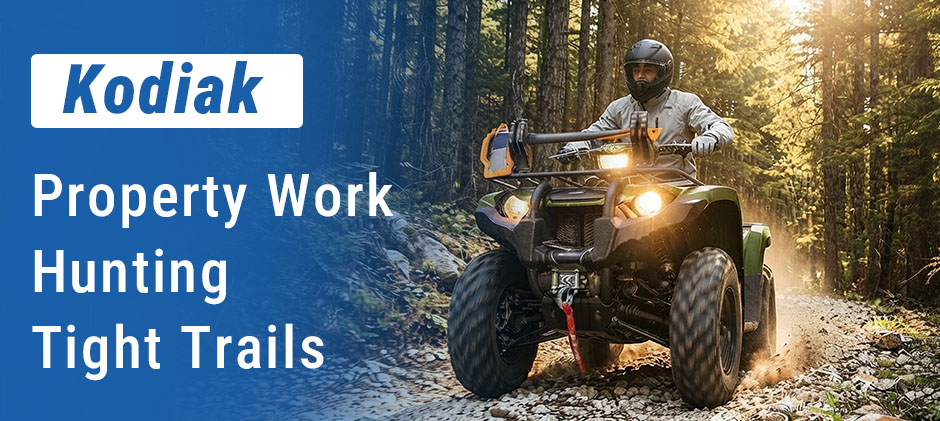
- You ride for fun more than chores
- You want better ride comfort
- You ride rough trails at a quicker pace
- You prefer a roomier feel
- You can spend more for comfort and trail performance
For many garages, the sweet spot remains the Kodiak 700 EPS. It covers the widest range of jobs without pushing too far into premium pricing. Still, if your weekends are built around trail riding, the Grizzly may be worth the extra money.
Final Words
There is no single winner in Yamaha Kodiak vs Grizzly. Kodiak gives you stronger value for work-focused use, while Grizzly gives you a more comfortable and refined trail ride. After the purchase, maintenance becomes part of the equation too. FridayParts offers aftermarket parts with wide compatibility, solid product coverage, and pricing that is easier on the budget.
Also Read: Yamaha Serial Number Lookup
