

The phrase diesel bug sounds like a garage joke, a myth passed around workshops or something only boat owners worry about? But what if modern diesel fuel, modern emission rules and operating conditions have quietly made it a real risk for your tractors?
This guide raises uncomfortable questions every diesel tractor should be asking. Could bacteria, moulds, and fungi live in your diesel and be slowly destroying your engine? And if they can, how would you even know before your tractors start running badly? How can I deal with it if diesel mushrooms? Read on to find out the answer.

What Is Diesel Bug Really?
Diesel bug is a term tractor owners may search for when the engines lose power, fuel filters clog or the diesel tractors begin misbehaving for no obvious reason. These living microorganisms between water and diesel fuel are often called diesel virus or diesel snot. These microbes can be a potential risk. If left unchecked, they can lead to operational issues and even serious corrosion. That means a big hole in your diesel tanks and an even bigger one in your wallet.
What Does Diesel Bug Look Like?
Diesel Bug can look like a slime. Its color may depend on the type of bug, varying from a dark brown to a blackish shade. And it may give off a hint of rotten eggs.
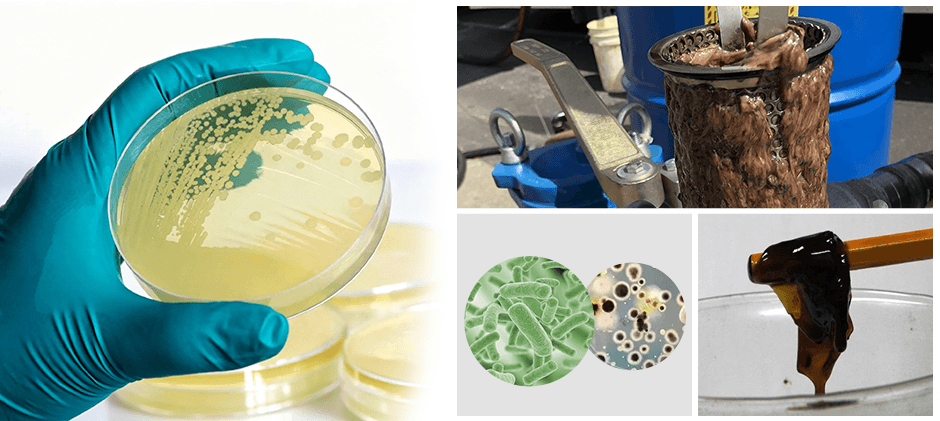
Diesel Bug Symptoms
If you’re not checking your fuel regularly, you may not notice you have a dangerous diesel bug infection at first. As the problem worsens, it’s inevitable that you will see these clear signs of diesel bugs:
- Egg-like smell & Fuel discolouration
- Coffee-like sediments in filters that re
- Repeated filter and injector problems (Shop high-quality fuel filters and injectors here)
- Poor acceleration, hesitation and hard starting due to insufficient fuel
- Black smoke from the exhaust
- Increase in fuel consumption
- Leaking fuel tanks caused by corrosion
One sign alone doesn’t necessarily mean it’s a diesel bug problem. If you’re noticing two or more of these diesel bug signs, it means significant damage has already occurred. Diesel bugs can induce corrosion over time and damage the structural integrity of the tank and injectors. Addressing this problem requires expensive mechanical intervention and significant downtime to clean the tank and fuel system. So, it’s important to use clean, high-quality fuel for your tractor and check your fuel system regularly to ensure smooth operation.
Why Are Your Tractors Vulnerable to Diesel Bug
Diesel bug does not come out of nowhere. It develops when the right conditions quietly come together inside your fuel tank. Understanding what causes diesel bug in your tractor is the first step toward protecting your fuel system.
Water in the Fuel Tank Is the Main Culprit
Water is the biggest contaminant for diesel fuel. A combination of fuel (hydrocarbons) and mild operating conditions creates the perfect breeding ground for water contamination. Water usually builds up from condensation. Oil storage tanks heat up during the day and cool at night, which causes condensation to form on tank walls, as well as rainwater ingress and absorption from the air. Diesel bug begins to flourish every 20 minutes in stored fuel or on the tank walls, creating a sludge which will damage your tank and engine. See How to Remove Water in the Diesel Fuel here.
Modern Diesel Also Plays A Part
Modern diesel is more vulnerable than the fuel used in older machinery. Certain Diesel fuel tends to contain up 7% biodiesel to meet emissions regulations in some regions. But the biodiesel is hygroscopic and easy to absorb moisture from the air, even in a sealed tank. This provides a direct food source for microbial growth. Besides, low sulphur diesel is more susceptible than high sulphur diesel, as the sulphur kills the bacteria. If you use the diesel in low sulphur, the protection will disappear, allowing fuel to attract water and offer bacteria almost nothing to slow them down.
Seasonal Storage and Inactivity Are to Blame
Tractors face a risk of a long period of sitting completely idle. During harvest season, a tractor may run daily, but through winter months, it can stand untouched for weeks or months at a time. Fuel that sits still in a tank is far more prone to contamination. Diesel remains stable in normal storage conditions for up to 12 months. After that, it begins to deteriorate in quality as it reacts with oxygen from the air. At this point, sediments build up at the bottom of the tank, which can be pulled through the fuel lines and clog filters. Combined with any moisture present, this creates exactly the conditions that allow a diesel bug colony to establish itself rapidly. By the time the tractor is needed again at the start of the season, the damage may already be done.

Say Goodbye to Diesel Bug
Diesel Bug can clog the filters & injectors, corrode the fuel tanks & fuel lines, cause hard starts & power loss and even damage the fuel pump. So, we need to address it properly and take action to prevent it from happening again.
How to Get Rid of Diesel Bug
If you notice the diesel bug symptoms, you should check it for sure and may need a professional cleaning process to deal with it.
- Remove the fuel and store it somewhere else
- Put it through a fuel polishing system
- Thoroughly cleanse the tank, filters and fuel lines (See How to Clean Fuel Filters)
- Inspect the tank for corrosion or damage
- Replace the tank if it’s severely contaminated
How Can You Avoid Diesel Bug
Prevention is always better than a cure. The key to good fuel quality is good maintenance. There are many things we can do:
- Keep fuel clean, tank full, fresh and seasonally suitable
- Ensure regular fuel change with fuel from a reputable supplier
- Get your fuel professionally tested before summer and before winter
- Keep tanks tightly sealed to minimise condensation
- Regularly inspect tanks for damage and leaks
- Use a high-quality fuel storage tank with a filter system installed
- Consider using tank cleaners, biocides and fuel polisher
- Monitor your tractor issues to catch any early signs
As your tractors are used seasonally and may sit unused for long periods, regular maintenance of your fuel system is of great importance to prevent diesel bug problems.
Wrapping up
Diesel bug is a real and growing risk for any tractor owner. But it is largely preventable with a few simple habits. Keep your fuel clean and fresh, your tank sealed and topped up, and pay attention to the early warning signs. A little routine maintenance goes a long way toward keeping your tractor running when you need it most. At FridayParts, you can get a wide range of tractor replacement parts for your fuel systems and learn many helpful pieces of knowledge about tractor maintenance, repairs and troubleshooting. Follow us and explore more.
